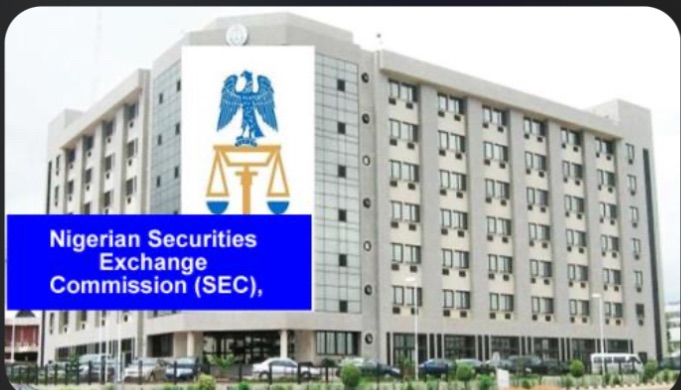

Nigeria’s Securities and Exchange Commission (SEC) has drawn a hard line against North Korea and Iran, ordering every capital market firm it regulates to cut all ties with institutions linked to both countries. The move is part of a fresh push to strengthen the country’s defenses against money laundering and terrorism financing.
In a circular dated June 19 but made public on August 14, the SEC instructed capital market regulated entities to immediately end any correspondent banking relationships connected to North Korea. Firms must also make sure they have no North Korean subsidiaries or offices operating in Nigeria, and must sharply limit any dealings involving North Korean citizens, companies, or government agencies.
Iran received similar treatment: regulated firms are barred from doing business with Iranian financial institutions and cannot open branches or offices in places where compliance risks remain too high.
Myanmar, however, was handled differently. Rather than an outright ban, firms are simply required to apply tighter scrutiny to any dealings connected to the country.
The directive follows updated standards issued by the Financial Action Task Force (FATF) at its February 2026 meeting, and is grounded in Nigeria’s Investments and Securities Act of 2025 alongside the SEC’s anti-money-laundering rules.
Beyond North Korea and Iran, the SEC named 20 additional jurisdictions that now require extra scrutiny, including Algeria, Angola, the British Virgin Islands, Cameroon, Kenya, Lebanon, Monaco, Venezuela, and Yemen, among others. These countries appear on FATF’s increased-monitoring list.
Firms have been told to report any suspicious transactions to the Nigerian Financial Intelligence Unit without delay. The SEC warned that companies failing to comply could face fines, suspension, or even lose their registration entirely. Regulated entities have also been directed to sign up for the Nigeria Sanctions Alerts system and freeze the assets of anyone officially designated under Nigeria’s sanctions regime.
Alongside the crackdown, the SEC expanded its crypto-friendly testing ground, the Accelerated Regulatory Incubation Programme (ARIP). Three new virtual asset firms were granted Approval-in-Principle to join: Pisi Payments Solution Limited, BC Access Nigeria Limited (which operates Blockchain.com locally), and Yellow Card Financial Limited. That brings the total number of participants in the programme to 14.
The SEC was careful to note that this approval is not a full operating license participants still face ongoing supervision and must meet strict conditions. Blockchain.com’s Africa general manager, Owen Odia, said the programme gives the company a chance to work closely with regulators to shape Nigeria’s future rules for digital assets.
Capital market firms now need to move fast: updating compliance systems, reviewing client relationships, and tightening due diligence around high-risk countries. While this adds cost and complexity, analysts see it as a necessary step to shield Nigeria’s financial system from illicit money flows even as the country simultaneously tries to build a more welcoming, supervised path for crypto innovation.