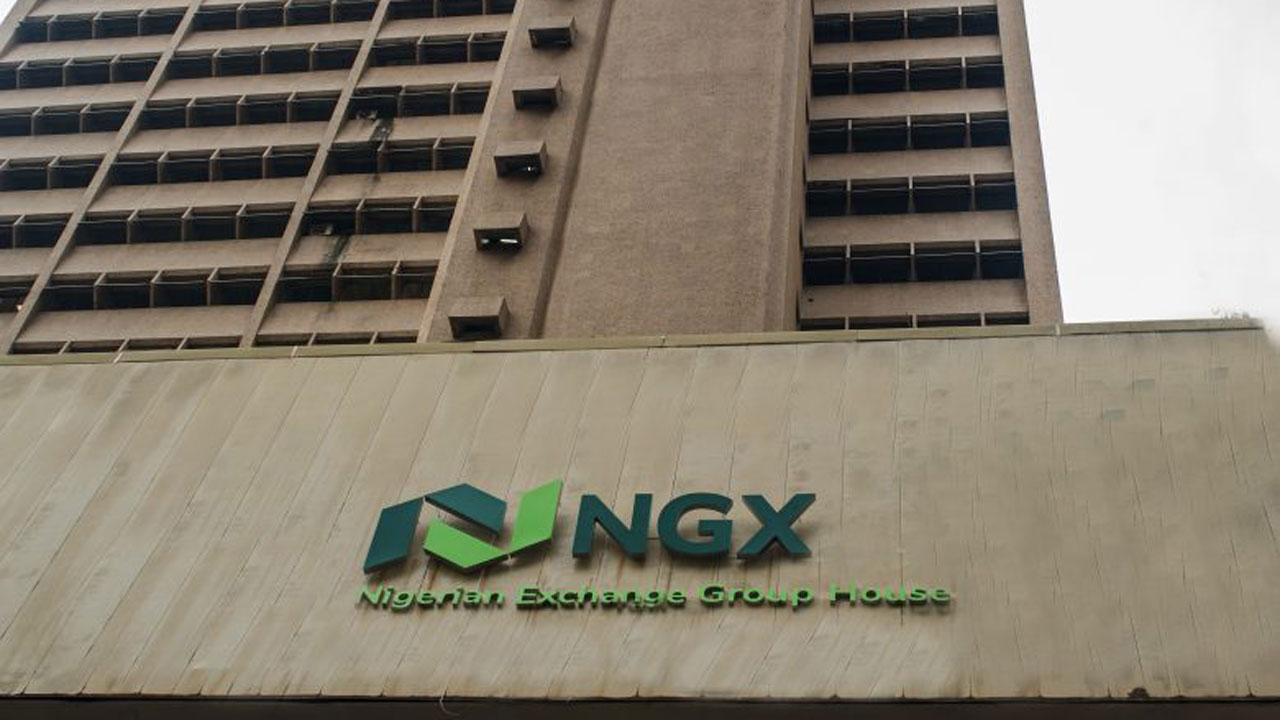

The Nigerian Exchange Limited (NGX) will introduce a revised pricing methodology for equities on Monday, August 17, changing the minimum number of shares required for a transaction to move a stock’s published price.
The reform, approved by the Securities and Exchange Commission (SEC), replaces the previous uniform threshold with a tiered structure based on the prevailing price of each security. The objective is to make published prices more responsive to transactions of meaningful economic value while retaining safeguards against price distortion.
Under the new framework, stocks priced at ₦1,000 and above will require a minimum of 10,000 units to trigger a price movement, with a tick size, the smallest permitted price change, of 10 kobo. Securities priced between ₦500 and ₦999.99 will require 50,000 units and have a 5-kobo tick size, while stocks below ₦500 will retain a 100,000-unit threshold and a 1-kobo tick size.
The change is particularly important for higher-priced equities. A ₦2,000 stock, for example, would require a ₦20 million transaction at the new 10,000-unit threshold, compared with ₦200 million under a 100,000-unit requirement. That represents a 90 percent reduction in the transaction value needed to produce a published price movement, assuming the entire trade is executed at ₦2,000.
The reform does not mean that a smaller transaction can automatically push a share price higher or lower. The threshold governs the quantity required for a qualifying price movement; actual price formation will continue to depend on orders and transactions executed in the market.
The revised approach also has historical precedent. NGX’s earlier market-microstructure framework used different minimum trade quantities and tick sizes according to share-price bands.
For investors, the most visible effect could be greater price responsiveness among expensive stocks. That may improve the extent to which quoted prices reflect current buying and selling pressure, although it does not by itself guarantee deeper liquidity, stronger demand or higher valuations.
The move comes as Nigeria’s capital market undergoes broader structural changes. On June 1, eligible trades moved to a T+1 settlement cycle, meaning transactions settle one business day after execution. The SEC said the change is intended to improve market efficiency, reduce counterparty exposure and enhance liquidity.
Together, the settlement reform and revised pricing methodology signal an effort to modernise Nigeria’s equity market and make its trading infrastructure more responsive to the scale and structure of today’s market.