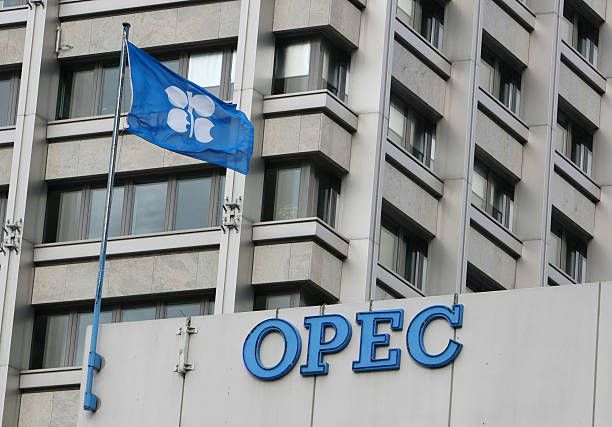

OPEC+ has agreed to increase oil production by 188,000 barrels per day (bpd) in September, marking the fourth straight monthly rise in output as the alliance continues reversing voluntary production cuts introduced in 2023. The decision was reached during a virtual meeting of eight member countries on Sunday.
The latest increase forms part of the group’s gradual plan to restore oil supply to the global market after years of coordinated production cuts aimed at supporting prices. The additional output will come from Saudi Arabia, Russia, Iraq, the United Arab Emirates, Kuwait, Kazakhstan, Algeria and Oman. According to the alliance, the production adjustment reflects what it described as a stable global economic outlook and healthy oil market conditions.
However, it stressed that the increase could be suspended or reversed if market conditions change unexpectedly.In a statement released after the meeting, the group said, “The gradual increases may be paused or reversed subject to evolving market conditions.”
The September adjustment completes the reversal of a 1.65 million bpd voluntary production cut introduced by participating countries in 2023. Despite the steady increases announced over the past four months, actual oil supply has remained below targets because some producers continue to face operational and geopolitical challenges. Analysts believe the latest decision is intended to reassure global markets that OPEC+ remains committed to maintaining adequate oil supplies while protecting price stability.
The alliance has repeatedly said it will continue to monitor demand, supply levels and broader economic developments before making further production decisions.The decision also comes at a time when uncertainty continues to surround global energy markets due to supply disruptions in parts of the Middle East and shipping challenges affecting major oil export routes. These factors have limited the immediate impact of recent production increases on actual exports.
OPEC+ is expected to review market conditions again at its next meeting scheduled for September 6, where members will decide whether to maintain, increase or pause production levels for October. Market watchers say future decisions will largely depend on global oil demand, economic growth, inventory levels and geopolitical developments. While the alliance has restored much of the output it previously withheld, it still has separate production cuts that remain in place until the end of the year.