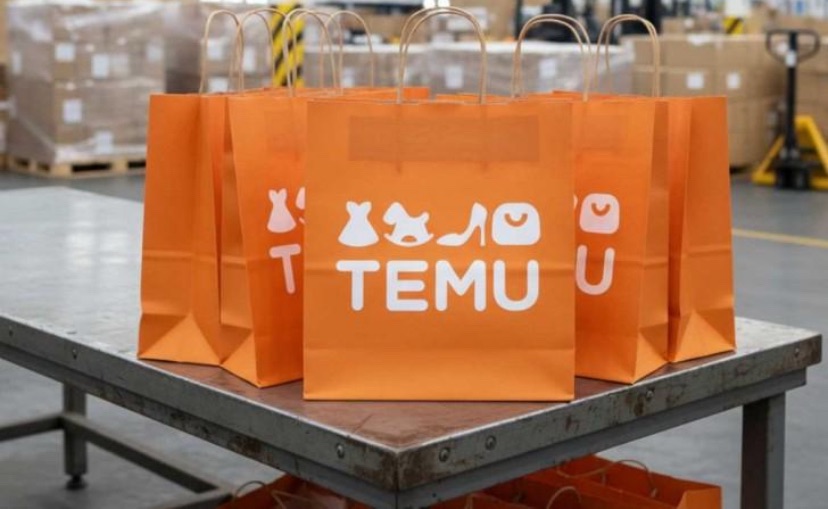

Temu, the global online shopping platform known for its low-priced products, is steadily gaining attention in Nigeria as more consumers explore affordable options for everyday purchases. The platform, which has expanded into several international markets in recent years, is becoming increasingly popular among Nigerians looking for cheaper alternatives amid rising living costs.
The growing interest in Temu reflects a broader shift in how Nigerians shop. More people are now using online marketplaces to buy clothing, electronics, home items, beauty products, kitchen accessories, and other everyday goods without visiting physical stores.
One of the biggest attractions of Temu is its pricing. Many of the products listed on the platform are sold at prices that are lower than what shoppers often find in local stores. Promotional discounts, coupons, and free shipping offers have also encouraged many first-time users to try the platform.
For consumers dealing with inflation and higher household expenses, finding lower-priced products has become an important priority. This has helped increase interest in international e-commerce platforms that promise affordable shopping and a wide variety of products.
The rise of Temu is also expected to increase competition within Nigeria’s growing e-commerce industry. Local online retailers may need to improve their pricing strategies, customer service, delivery speed, and promotional offers to retain customers as shoppers gain access to more global options.
Industry observers believe stronger competition could benefit consumers by encouraging businesses to offer better prices and improve service quality. Companies may also invest more in technology and logistics to provide faster and more reliable deliveries.
However, Temu’s expansion also raises questions for local manufacturers and small businesses. Some business owners worry that the availability of very cheap imported products could make it harder for locally produced goods to compete, especially in categories such as fashion accessories, household items, and consumer electronics.
Experts say Nigerian businesses can respond by focusing on product quality, faster delivery, stronger customer relationships, and locally made products that meet specific consumer needs. Building trust through reliable after-sales support may also become a key advantage for domestic retailers.
Logistics remains another important factor. Although international platforms can offer competitive prices, delivery times may be longer than purchases made from local online stores. Some customers may still prefer Nigerian retailers when they need products quickly or want easier return and refund processes.
The increasing popularity of cross-border e-commerce also highlights the importance of digital payments. As more Nigerians shop on international platforms, demand for secure online payment systems and efficient delivery services is expected to continue growing.
Analysts believe Nigeria remains an attractive market for global e-commerce companies because of its large population, increasing internet access, expanding smartphone usage, and growing number of digital payment users. These factors continue to create opportunities for online retail businesses from around the world.
While it is still early to measure Temu’s long-term impact, its growing presence signals another step in the evolution of Nigeria’s digital economy. Consumers now have more shopping choices, while local businesses face fresh competition that could reshape the country’s retail landscape.
As online shopping continues to expand, the companies that combine affordable pricing, reliable service, and customer trust are likely to be the biggest winners in Nigeria’s increasingly competitive e-commerce market.