
Friday, July 24, 2026
  • Login
No Result
View All Result
The Business Times
  • News
  • BT Exclusive
  • Economy
  • Business
  • Financial Markets
  • Politics
  • Energy
  • Insights
  • Sports
  • News
  • BT Exclusive
  • Economy
  • Business
  • Financial Markets
  • Politics
  • Energy
  • Insights
  • Sports
No Result
View All Result
The Business Times
No Result
View All Result
Home Banking

Nigeria’s Private Sector Credit Hits N83.3 Trillion in June Despite CBN’s 26.5% Rate

byStephen Abebor
July 24, 2026
in Banking, Economy, Financial Markets
0
CBN Targets ₦700bn NTB Sale in May as Liquidity Tightens
8
VIEWS
Share on FacebookShare on Twitter

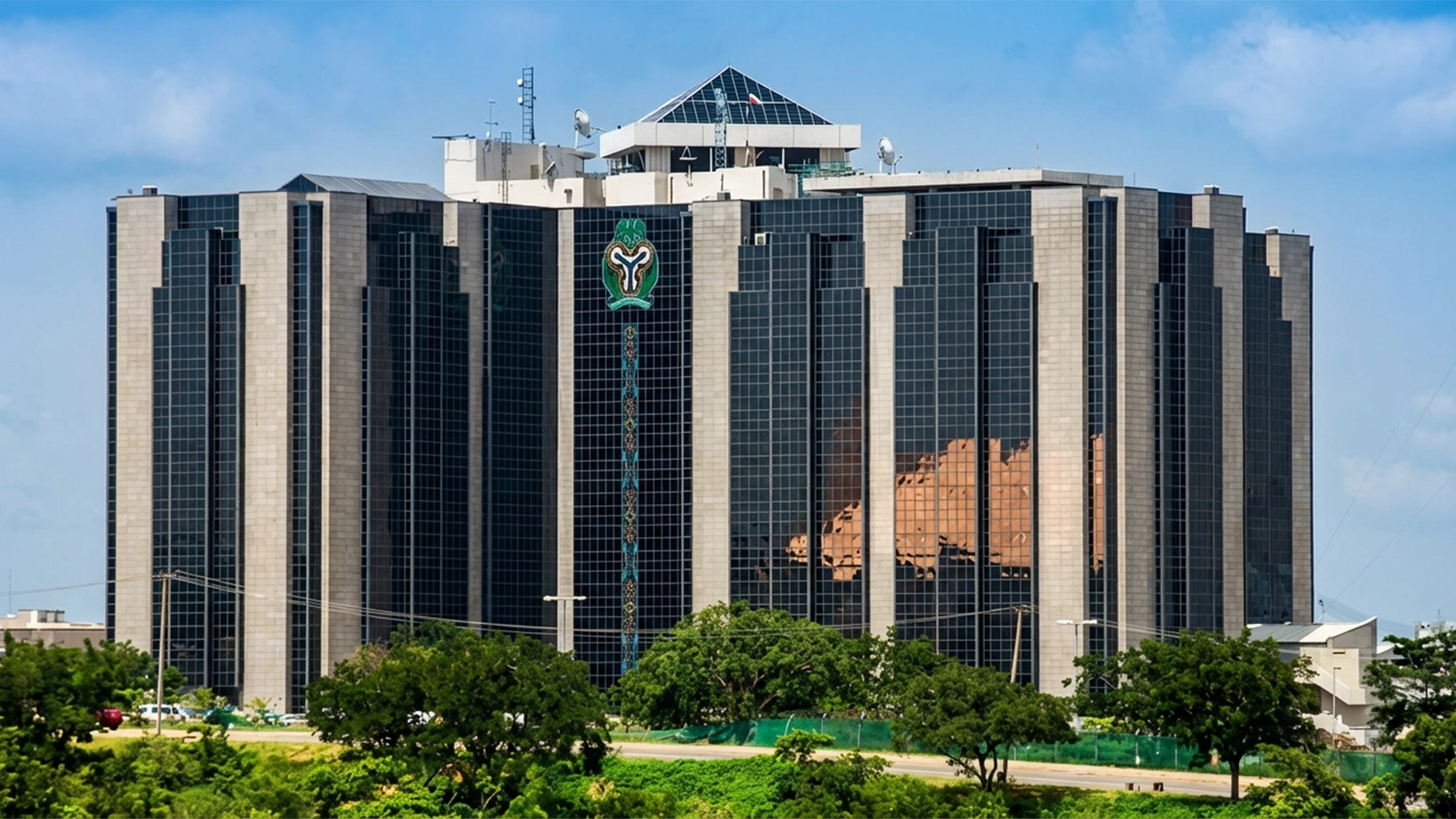
Nigeria’s private sector continued to increase its borrowing in June despite the Central Bank of Nigeria (CBN) maintaining its benchmark interest rate at 26.50%, suggesting credit demand remained resilient under tight monetary conditions.

Credit extended to the private sector rose to N83.3 trillion in June 2026 from N81 trillion in May, according to the CBN’s latest Money and Credit Statistics. The increase represents a 2.8% month-on-month rise, while outstanding private sector credit expanded by 9.37% year-on-year, adding N7.13 trillion compared with June 2025.

By contrast, credit to the government declined by 0.99% to N40 trillion in June from the previous month. While the federal government continues to finance a N23.85 trillion budget deficit for 2026 through a combination of domestic and external borrowing, the CBN data do not indicate the reasons for the monthly decline in outstanding government credit. Combined, net domestic credit increased by 1.5% to N123.3 trillion during the month.

The expansion in bank lending coincided with continued growth in the country’s money supply. Broad money (M2), which includes currency in circulation, demand deposits, savings deposits and other near-money assets, rose by 3.09% to N133.2 trillion in June.

The increase was driven largely by growth in quasi-money, comprising savings and time deposits, which climbed 8% to N88.5 trillion. Narrow money and demand deposits recorded more modest increases of 0.22% and 1.02%, respectively.

Meanwhile, currency held outside the banking system declined by 5.7% to N4.9 trillion. While the CBN data do not specify the reasons for the decline, lower currency outside banks may reflect greater use of formal banking channels and electronic payment systems, alongside other liquidity and seasonal factors.

The latest figures come as the CBN maintains a tight monetary policy stance to curb inflation. At its May 2026 Monetary Policy Committee meeting, the apex bank left the Monetary Policy Rate (MPR) unchanged at 26.50%, while retaining other key policy parameters.

The continued expansion of private sector credit despite elevated borrowing costs suggests that demand for bank financing has remained relatively resilient. However, economists generally note that the impact of higher interest rates on lending and economic activity tends to materialise with a lag, while sustained credit growth will remain one of several indicators the CBN monitors alongside inflation, exchange rate stability and overall economic activity.

The CBN’s Money and Credit Statistics provide aggregate lending figures but do not disclose the sectoral distribution of private sector credit, making it difficult to determine which industries accounted for the increase in borrowing during the month.

Tags: Bank Lending NigeriaCBN monetary policyCurrency Outside BanksMonetary Policy Rate (MPR)Money Supply M2Nigeria EconomyNigeria June 2026 Economic DataNigerian Banking SectorPrivate Sector CreditQuasi-Money Growth
Stephen Abebor

Stephen Abebor

Next Post
Nigeria’s women entrepreneurs turn to community finance as formal credit gap persists

Nigeria’s women entrepreneurs turn to community finance as formal credit gap persists

Leave a Reply Cancel reply

Your email address will not be published. Required fields are marked *

Recommended

AMAC Igbo Leaders Endorse Maikalangu for Re-election

AMAC Igbo Leaders Endorse Maikalangu for Re-election

5 months ago
FX Volatility, Third-Party Costs Keep Aircraft Insurance Elevated

Nigeria Domestic Airfares Surge Past ₦200,000 as Airlines Cut Capacity

2 months ago

Popular News

  • Nigeria Senate Pushes Bill Requiring Tech Giants to Open Local Offices

    Nigeria Senate Pushes Bill Requiring Tech Giants to Open Local Offices

    0 shares
    Share 0 Tweet 0
  • Nigeria’s Cocoa Exports Climb as Global Buyers Increase Demand

    0 shares
    Share 0 Tweet 0
  • Nigeria’s women entrepreneurs turn to community finance as formal credit gap persists

    0 shares
    Share 0 Tweet 0
  • Nigeria’s Private Sector Credit Hits N83.3 Trillion in June Despite CBN’s 26.5% Rate

    0 shares
    Share 0 Tweet 0
  • Sterling Bank Keeps Bad Loans Below CBN Limit Despite Industry Challenges

    0 shares
    Share 0 Tweet 0

Connect with us

Facebook Twitter Instagram TikTok

Newsletter

Pages

  • About Page
  • Contact
  • Domestic Gas Sales Rise 30% as Nigeria’s Energy Reforms Gain Traction
  • Privacy Policy
  • Terms & Conditions

Navigation

  • News
  • BT Exclusive
  • Economy
  • Business
  • Financial Markets
  • Politics
  • Energy
  • Insights
  • Sports

© 2025 The Business Times NG .

Welcome Back!

OR

Login to your account below

Forgotten Password?

Retrieve your password

Please enter your username or email address to reset your password.

Log In
No Result
View All Result
  • Home
  • News
  • BT Exclusive
  • Economy
  • Business
  • Financial Markets
  • Politics
  • Energy
  • Insights
  • Sports

© 2025 The Business Times NG .