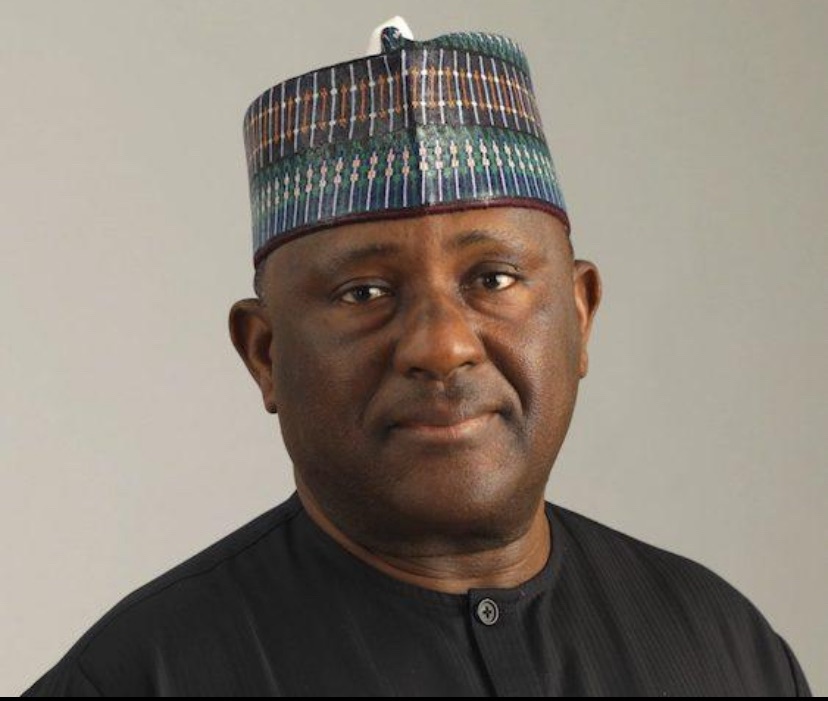

Abdul Samad Rabiu has become one of Nigeria’s most respected business leaders by building a company that operates across some of the country’s most important industries. From cement production to sugar refining and food processing, his business empire has grown into one of the largest in Africa, creating thousands of jobs and supporting economic growth.
Rabiu is the founder and chairman of BUA Group, a Nigerian conglomerate with investments in cement, sugar, flour, ports, real estate, and other key sectors. His journey shows how long-term planning, strategic investments, and a focus on local production can help build a successful business.
The entrepreneur took over part of his family’s business in the late 1980s after returning to Nigeria from his studies. Rather than remaining only in trading, he gradually expanded into manufacturing, believing that producing goods locally would help reduce imports and strengthen Nigeria’s economy.
One of the biggest milestones for BUA Group came with its investment in the cement industry. The company built modern cement plants that increased local production and improved competition in the market. Today, BUA Cement is one of Nigeria’s leading cement manufacturers, supplying products for roads, bridges, housing projects, and other major infrastructure developments.
Rabiu also expanded heavily into the sugar industry through BUA Foods. The company produces refined sugar, flour, pasta, and other food products that are widely consumed across Nigeria. These investments have helped reduce dependence on imported food products while supporting local agriculture and industrial development.
Industry experts say Rabiu’s strategy has always focused on sectors with strong long-term demand. Construction materials and food products remain essential regardless of economic conditions, making them reliable industries for sustained growth.
Another factor behind his success is continuous investment in modern technology and production facilities. By improving efficiency and increasing output, BUA has remained competitive both locally and internationally.
Beyond business, Rabiu is also known for his philanthropic work. Through the Abdul Samad Rabiu Africa Initiative (ASR Africa), he has donated billions of naira to education, healthcare, and social development projects across Nigeria and other African countries. Universities, hospitals, and public institutions have received grants to improve infrastructure and provide better services.
His commitment to corporate responsibility has earned praise from business leaders and development experts who believe private companies should contribute to national development alongside government efforts.
Rabiu has also encouraged young entrepreneurs to focus on solving real economic problems instead of chasing quick profits. He believes businesses that produce essential goods and create employment are more likely to achieve long-term success.
Today, Abdul Samad Rabiu is regularly listed among Africa’s wealthiest individuals, but his influence extends beyond personal wealth. His companies continue to invest in manufacturing, expand production capacity, and create opportunities for thousands of Nigerians.
As Nigeria seeks to strengthen local industries and diversify its economy, business leaders like Rabiu demonstrate how private-sector investment can drive industrial growth. His journey from a family trading business to leading a multinational manufacturing group remains an example of how vision, patience, and strategic planning can build businesses that have a lasting impact on both the economy and society.