
Dangote Cement Plc has announced a major sustainability plan aimed at reducing its carbon emissions and increasing production across Africa by the year 2030. The company shared its goals during its 17th Annual General Meeting held in Lagos.
Chairman of Dangote Cement, Emmanuel Ikazoboh, said sustainability is no longer just about meeting regulations. According to him, it has become a key part of the company’s business strategy, helping to drive growth, improve operations, and create long-term value.
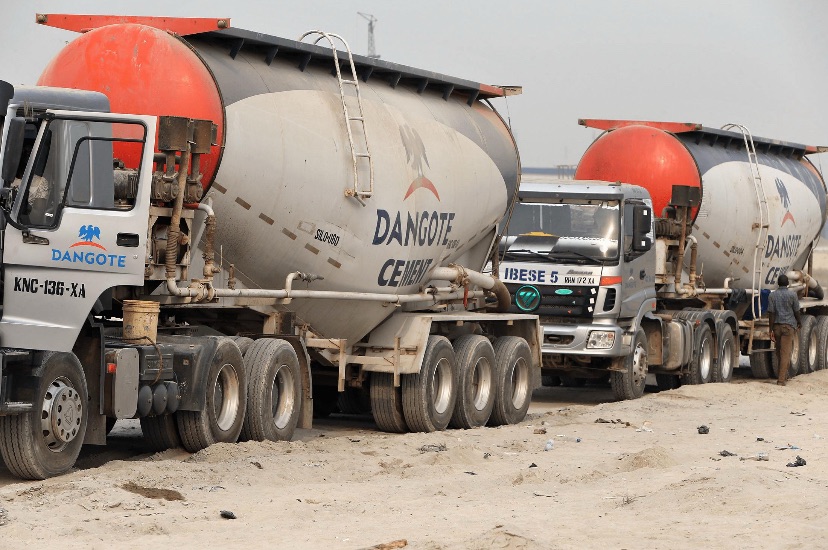
One of the company’s main targets is to reduce its net carbon dioxide (CO₂) emissions intensity by 20 percent before 2030. To support this goal, Dangote Cement is moving towards cleaner transportation. By 2027, all company trucks operating in Nigeria, except those at the Gboko plant, will run on Compressed Natural Gas (CNG). The company also plans to introduce electric trucks starting from 2026.
Dangote Cement is also working to increase its production capacity from its current level to 80 million tonnes per year by 2030. The expansion will include new operations in Botswana and Zimbabwe, while port facilities in Apapa, Onne, and Lekki will be upgraded to strengthen the company’s position as Africa’s leading cement exporter.
The company said these projects are part of the Dangote Group’s Vision 2030, which focuses on building a globally competitive business through innovation and sustainable development.
Dangote Cement also reported progress in creating employment and supporting its workers. During the year under review, it created 625 direct green jobs and increased its spending on community development projects by 56 percent. The company also recruited 74 percent more graduate trainees, showing its commitment to developing young African professionals.
To improve staff performance, Dangote Cement invested over ₦2.1 billion in employee training and development. The company said it wants to become one of the best employers in the countries where it operates by promoting an inclusive and productive workplace.
On environmental performance, Dangote Cement recorded a 6.5 percent reduction in carbon emissions intensity compared to its 2021 baseline. It also improved energy efficiency by reducing energy intensity by 1.7 percent and cutting overall energy use by 4 percent. Water consumption also dropped by 8 percent.
The company strengthened its environmental, social, and governance (ESG) policies by introducing new guidelines on artificial intelligence risk management, biodiversity protection, and disability inclusion. It also added 297 local suppliers to its ESG-focused supply chain programme.
Dangote Cement further expanded its DangCircular initiative, which encourages waste recycling and the use of alternative fuels. During the reporting period, the company processed more than 437,000 tonnes of waste as fuel, reducing its dependence on traditional fossil fuels while improving resource efficiency.
According to the company, its sustainability journey began in 2017 with the launch of the Dangote Seven Sustainability Pillars. Since then, it has introduced several programmes focused on climate action, biodiversity, alternative fuels, and responsible business practices. Dangote Cement believes these efforts will support long-term business growth while protecting the environment and creating lasting value for its employees, customers, communities, and investors.