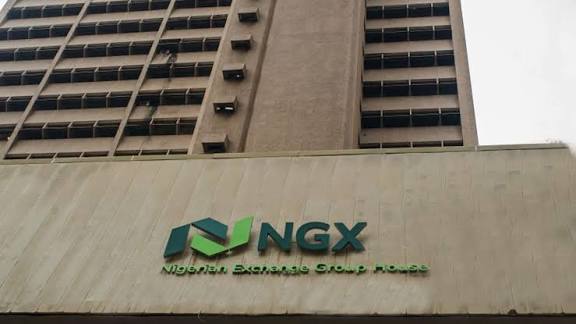

The Nigerian Exchange (NGX) has introduced new thresholds for share price movements, marking a significant adjustment to its market operations framework as it seeks to enhance price discovery, improve liquidity, and strengthen investor confidence in Nigeria’s capital market.
The revised thresholds are designed to provide a more responsive trading environment by allowing share prices to adjust more efficiently to market information while maintaining safeguards against excessive volatility. The move reflects broader efforts by the exchange to align market practices with evolving investor expectations and international best standards.
Market operators say the changes come at a time when investor participation in the Nigerian equities market has been rising, driven by renewed interest in stocks amid changing macroeconomic conditions, corporate earnings growth, and efforts to deepen the country’s capital markets.
Price movement thresholds, often referred to as daily price limits, determine the maximum percentage by which a stock’s price can rise or fall during a trading session. Such mechanisms are commonly used across global exchanges to curb extreme market swings, prevent panic-driven trading, and promote orderly market activity.
According to market analysts, the NGX’s decision could improve market efficiency by enabling stock prices to reflect supply and demand dynamics more accurately. Faster price adjustments may also help institutional and retail investors respond more effectively to corporate announcements, earnings releases, and broader economic developments.
The reform is expected to have varying implications across different segments of the market. Highly liquid stocks with strong trading volumes may experience improved price discovery, while smaller-cap counters could see more pronounced movements as investors reassess valuations. Market participants will therefore need to pay closer attention to risk management and portfolio positioning.
Industry experts note that the success of the new framework will depend on investor education, market surveillance, and regulatory oversight. Effective monitoring will be crucial to ensure that increased flexibility in price movements does not create opportunities for market manipulation or speculative excesses.
The adjustment also underscores the NGX’s ongoing efforts to modernize trading infrastructure and improve market competitiveness. As Nigeria seeks to attract greater domestic and foreign investment, reforms that enhance transparency and trading efficiency are increasingly viewed as essential to the long-term growth of the country’s capital market ecosystem.
For investors, the revised thresholds signal a shift toward a more dynamic trading environment. While increased price flexibility may create new opportunities, it also highlights the importance of informed investment decisions and careful assessment of market risks.
As implementation begins, market participants will be closely watching how the new thresholds influence trading patterns, liquidity levels, and overall market performance in the months ahead.