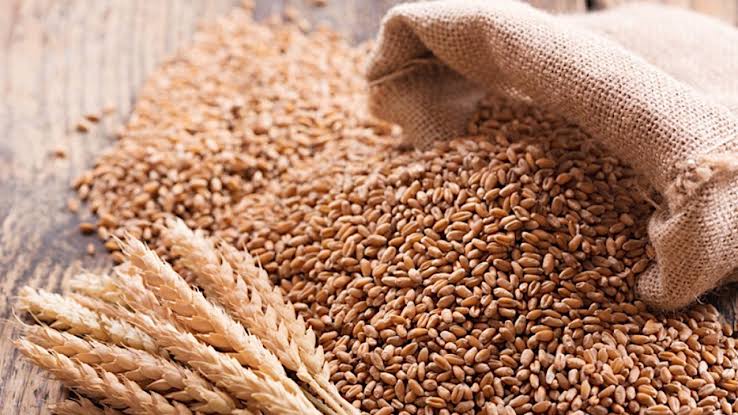

Nigeria’s ambition to significantly boost domestic wheat production and reduce its dependence on costly imports has encountered a major setback, as critical funding from the African Development Bank (AfDB) remains unreleased by the Federal Ministry of Finance.
The delay threatens to undermine years of planning aimed at strengthening the country’s wheat value chain, improving food security, and reducing pressure on foreign exchange reserves used to finance grain imports.
Industry stakeholders say the withheld funds, valued at several million dollars, were earmarked for agricultural development initiatives designed to expand wheat cultivation, improve access to modern farming inputs, and support farmers with improved seed varieties and extension services. The financing forms part of broader efforts to increase local wheat output and reduce Nigeria’s heavy reliance on imported grain.
Nigeria remains one of Africa’s largest wheat importers, with domestic production meeting only a fraction of annual demand. The country consumes millions of tonnes of wheat each year, driven by strong demand from flour millers, bakeries, and food manufacturers. However, local production has struggled due to limited irrigation infrastructure, climate challenges, inadequate financing, and low adoption of modern farming techniques.
Agricultural experts warn that delays in releasing development financing could have far-reaching implications for the sector. Without timely access to capital, farmers may miss critical planting windows, while ongoing projects intended to expand cultivated acreage could face significant disruptions.
The setback comes at a time when the government has intensified efforts to promote agricultural self-sufficiency as part of broader economic reforms. Rising global food prices, currency volatility, and persistent pressure on foreign exchange reserves have heightened the urgency of increasing local food production.
Market observers note that improving wheat production is strategically important for Nigeria’s economy. Reduced import dependence could help conserve foreign currency, strengthen rural livelihoods, create jobs across the agricultural value chain, and enhance national food security.
Stakeholders are therefore urging authorities to expedite the release of the AfDB-backed funds to prevent further delays. Industry groups argue that unlocking the financing would accelerate investments in irrigation systems, mechanization, farmer training, and improved seed distribution, all of which are essential to achieving the country’s wheat production targets.
While government officials have yet to provide a detailed timeline for disbursement, analysts caution that prolonged delays could weaken investor confidence in agricultural development programmes and slow progress toward Nigeria’s long-term food security objectives.
For now, the country’s vision of becoming more self-sufficient in wheat production remains constrained by funding bottlenecks, highlighting the critical role that timely financing plays in transforming agricultural potential into measurable economic outcomes.