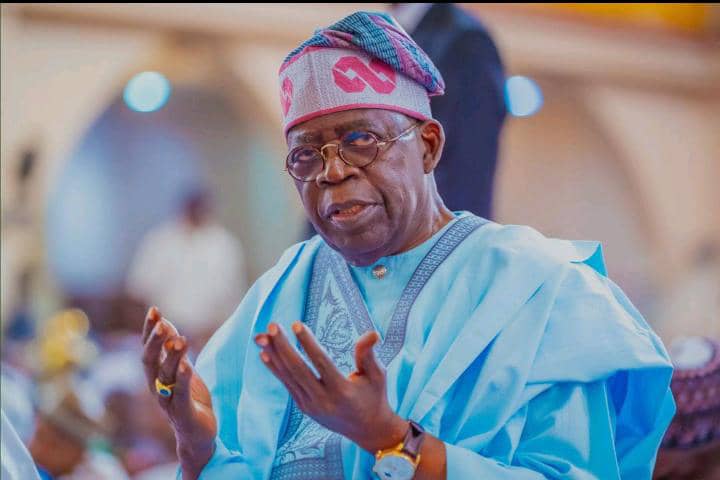

President Bola Tinubu has clinched a major deal: Shell’s $2 billion offshore HI gas project in OML 144 is now officially secured by the Nigerian government. The project, known as the Non‑Associated Gas (NAG) development, is projected to produce roughly 350 million standard cubic feet of gas per day (mmscf/d) beginning in 2028.
According to the Presidency, this new investment is nearly one‑third of what Nigeria LNG Limited needs for its planned Train 7 expansion. Bayo Onanuga, the President’s Special Adviser on Information and Strategy, highlighted that since Tinubu took office in 2023, upstream investment commitments have surpassed $8 billion which is a sign that his reforms are attracting global interest.
This latest approval marks the third major Final Investment Decision (FID) in Nigeria’s oil and gas sector over the past 18 months, following the Ubeta NAG project and the Bonga North deepwater venture. Onanuga noted that together, the HI and Ubeta projects could supply up to 15% of NLNG’s total feed‑gas needs for all its gas trains (1–7).
Key to this breakthrough was “Presidential Directive 40,” which introduced more competitive fiscal terms for gas developments in onshore and shallow offshore fields. That move, along with regulatory clarity, streamlined approval processes, and cost cuts, is credited with restoring investor confidence and positioning Nigeria as a favorable destination for energy capital.
Olu Arowolo Verheijen, Tinubu’s Special Adviser on Energy, emphasized how the HI and Ubeta approvals help ensure gas supplies for Train 7, but also promise expanded domestic supply, local job creation, foreign exchange gains, lower LPG imports, and cleaner cooking access for many Nigerians.
From Shell’s side, Upstream President Peter Costello said the HI decision underscores their ongoing commitment to Nigeria’s gas sector and deepwater operations. He added that the move supports Nigeria’s ambition to play a stronger role in the global LNG value chain.
President Tinubu himself praised the FID as validation of his administration’s reform agenda, stating that it sends a message to both domestic and foreign investors: Nigeria is open for business.