
The World Bank has warned that global natural gas prices are likely to remain unstable in the coming years as geopolitical tensions, supply disruptions, and changing energy demand continue to affect international markets.
In its April 2026 Commodity Markets Outlook, the World Bank examined recent developments in the global liquefied natural gas (LNG) market and provided projections for the period leading up to 2027. The report suggests that uncertainty in the energy sector will continue, with gas prices expected to experience significant fluctuations.
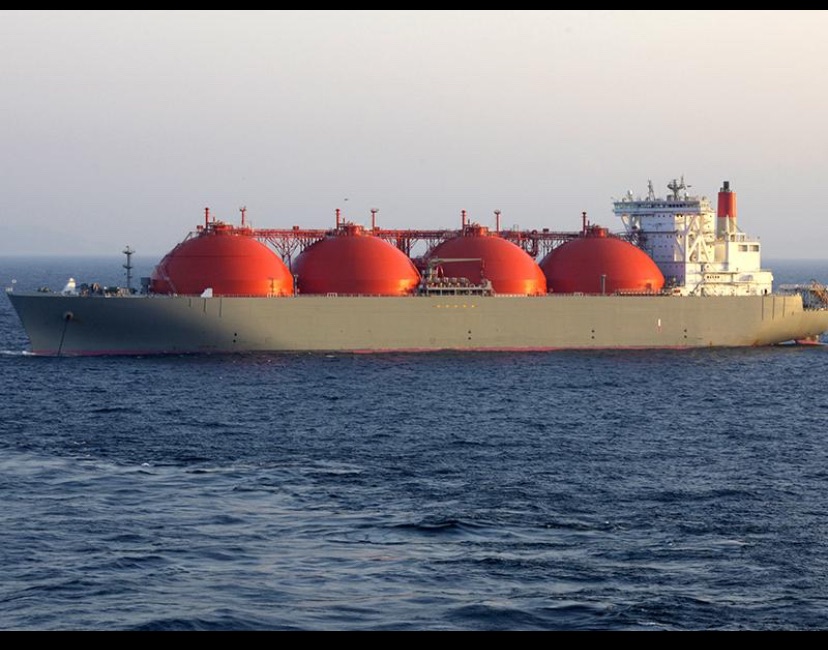
One of the major factors behind recent price increases was the disruption of LNG shipments caused by tensions in the Middle East. The closure of the Strait of Hormuz, one of the world’s most important shipping routes for natural gas exports, created major challenges for producers such as Qatar and the United Arab Emirates.
As a result of the disruption, gas prices rose sharply across major markets. According to the World Bank, Asia’s LNG benchmark increased by approximately 94 percent in March, while Europe’s benchmark climbed by about 59 percent. The rise was largely driven by stronger competition among countries trying to secure limited LNG supplies.
Although prices later eased, the World Bank stressed that the market remains extremely sensitive to unexpected events. Any new supply interruption or escalation in geopolitical tensions could quickly push prices higher again.
The report noted that the United States was less affected by the global disruption. Strong domestic gas production and healthy storage reserves helped the country withstand some of the pressure experienced in other regions. This allowed U.S. gas prices to remain relatively more stable compared to Europe and Asia.
Despite slower global demand growth, natural gas prices continue to face upward pressure. The World Bank reported that worldwide gas demand grew by only 0.8 percent in 2025, reflecting weaker consumption growth than in previous years. However, supply challenges and competition among regions have continued to influence pricing.
Looking ahead, the institution expects natural gas prices to rise again during 2026 before easing somewhat in 2027. The outcome will depend largely on how quickly LNG exports from the Middle East recover and whether key gas infrastructure in exporting countries returns to normal operations.
The World Bank also identified several risks that could keep prices elevated. These include prolonged geopolitical conflicts, lower-than-normal gas storage levels in Europe, and growing electricity demand from artificial intelligence-powered data centres. As AI technology expands globally, data centres are consuming more energy, adding new pressure to electricity and gas markets.
Europe’s gas storage situation remains another concern. Current inventory levels are below historical averages, raising questions about the region’s ability to build sufficient reserves before periods of peak demand.
While weaker economic growth in Asia could reduce demand and help ease prices, the World Bank cautioned that such a development would not completely remove supply-related risks.
Overall, the report concludes that the global gas market is entering a period of heightened uncertainty. Rather than demand growth, supply disruptions are increasingly becoming the main driver of price movements. Unless geopolitical tensions ease and additional supply capacity becomes available, volatility is expected to remain a key feature of the global energy market through the medium term.