
Nigeria’s telecommunications industry has experienced sweeping changes since the liberalisation of the sector in 2001, but few operators have undergone as many ownership changes and corporate transformations as the company now known as Airtel Nigeria.
The story began in 2001 when Econet Wireless Nigeria, backed by Zimbabwean entrepreneur Strive Masiyiwa, emerged as one of the winners of Nigeria’s first Global System for Mobile Communications (GSM) licence auction, paying $285 million for the permit. The entry of GSM operators marked the beginning of a telecommunications revolution that dramatically expanded access to mobile phone services across the country.
Despite its early promise, Econet Wireless Nigeria soon became embroiled in shareholder disputes that resulted in the Zimbabwean parent company losing control of the business. Masiyiwa has consistently maintained that the dispute followed his refusal to pay bribes to public officials. Later, UNCITRAL arbitration tribunal later ruled in Econet’s favour, awarding the company damages in the shareholder dispute.
The operator subsequently underwent a series of ownership and branding changes. In 2004, following the end of Econet’s management role, the company briefly entered a management agreement with South Africa’s Vodacom under the legal name Vee Networks Limited. The partnership ended within months, after which the operator continued its business under the Vmobile brand.
A major turning point came in May 2006 when Netherlands-based Celtel International acquired a 65% controlling stake in Vmobile Nigeria for approximately $1 billion. The acquisition led to another rebranding as Celtel Nigeria, reflecting the company’s integration into one of Africa’s fastest-growing mobile telecommunications groups.
The next transformation followed in August 2008 after Kuwait’s Mobile Telecommunications Company (MTC), which had acquired Celtel International in 2005 and later rebranded itself as Zain, unified its African operations under the Zain brand.
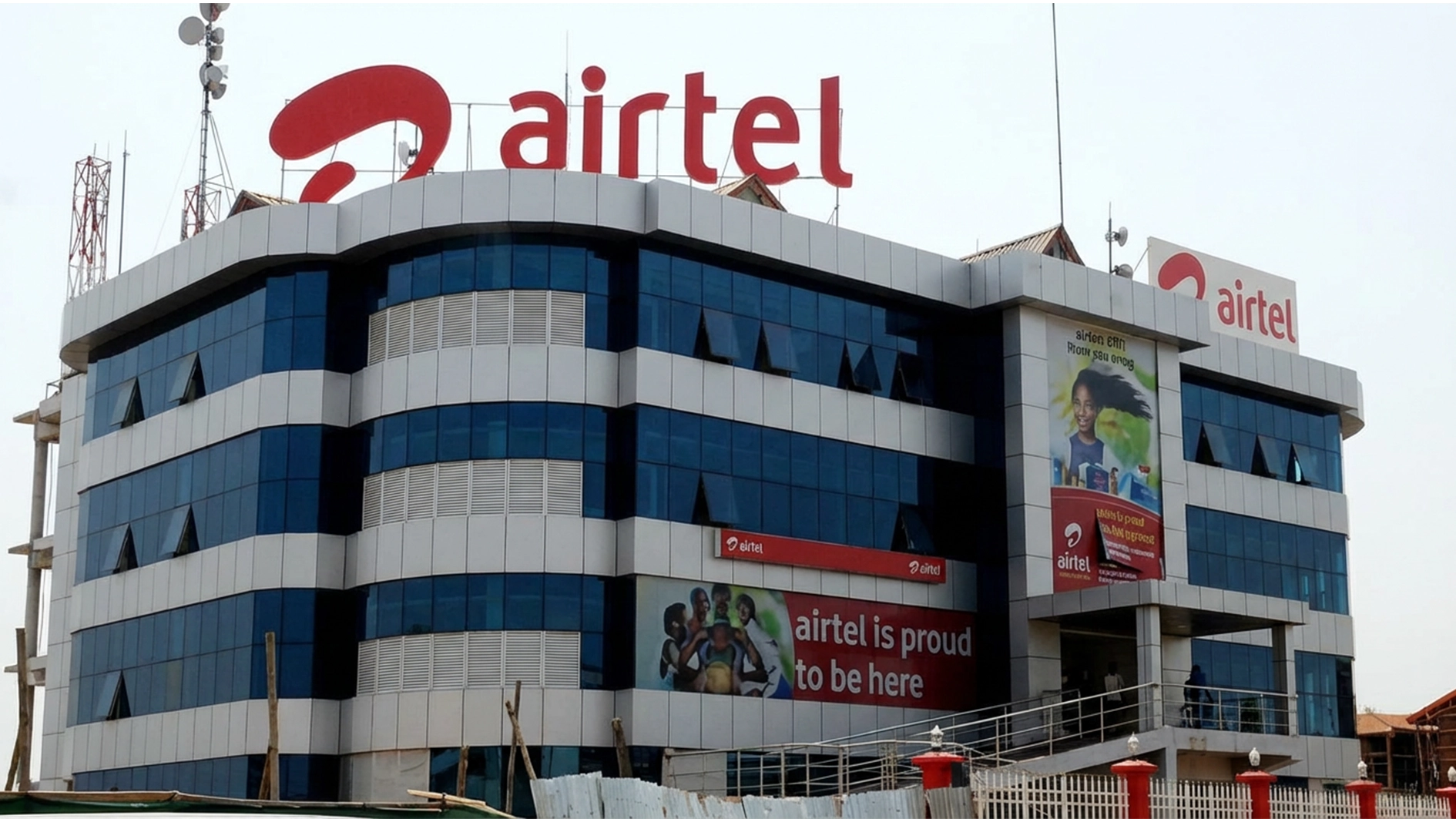
In 2010, India’s Bharti Airtel completed the $10.7 billion acquisition of Zain’s African operations in one of the largest cross-border telecommunications deals in the continent’s history. The Nigerian subsidiary officially became Airtel Nigeria in November that year.
At the launch of the Airtel brand in Nigeria, then Chairman Oba Otudeko described the transition as the company’s sixth corporate identity, while Bharti Airtel Chairman Sunil Bharti Mittal pledged continued investment to expand network coverage, improve service quality and deepen competition in Nigeria’s rapidly growing telecom market.
More than two decades after entering the Nigerian market as Econet Wireless, Airtel Nigeria has evolved into the country’s second-largest mobile network operator by subscriber base, serving tens of millions of customers. Its journey from Econet to Airtel illustrates how foreign investment, industry consolidation and strategic acquisitions helped shape Nigeria’s modern telecommunications sector and transformed mobile connectivity into an essential part of everyday life.