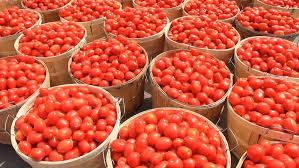

The National Tomato Growers, Processors, and Marketers Association of Nigeria (NATPAN) has warned consumers to brace for a steady rise in tomato prices following the conclusion of the Ramadan season. In an interview with the News Agency of Nigeria on Friday, March 13, 2026, the Kaduna State Chairman of the association, Mr. Rabiu Zuntu, explained that the period of “market glut” where supply far exceeds demand has officially ended as the primary harvest cycle draws to a close.
The structural and seasonal consequence of this transition is already visible in the markets. Zuntu noted that while farmers in the Kano and Kaduna axis are still harvesting, the overall volume of produce in stock is dwindling. Consequently, the price for a 50kg basket of tomatoes in Northern Nigeria has surged to approximately ₦20,000, a significant jump from the ₦5,000 to ₦8,000 price range recorded just two weeks ago. This upward trend is expected to continue as the “off-season” supply dynamics take full effect.
Analytically, the cost for consumers in Southern hubs like Lagos will be significantly higher due to logistical pressures. Zuntu projected that by the time the produce is transported across the country, a 50kg basket could retail between ₦30,000 and ₦40,000. He clarified that while fuel price fluctuations do not necessarily dictate the farm-gate price in the North, the high cost of transportation remains the primary driver of the price hike in other regions.
The impact on “Agricultural Planning and Wet Season Preparation” offers a potential reprieve for the long term. Farmers in the North have already begun land clearing and soil preparation for the wet season, with rains traditionally expected to commence around April. This proactive cultivation is intended to stabilize the market and curtail extreme price hikes in the latter half of the year. For now, however, the “glut season” is definitively over, and supply will remain tight until the new planting cycle matures.
Furthermore, NATPAN emphasized that the relative price stability enjoyed during the Ramadan period was a direct result of the excess harvest earlier in the year. With those reserves now thinning, the association advises marketers and processors to adjust their expectations for the coming months. The shift from a buyer’s market to a seller’s market reflects the natural expiration of the dry-season harvest window.
The long-term outlook for tomato pricing in Nigeria depends heavily on the success of the upcoming wet season and the efficiency of the national distribution network. As the rainy season approaches, the focus for NATPAN members shifts from marketing existing stock to ensuring a robust planting phase. For the average Nigerian household, the next few months will require careful budgeting as one of the nation’s most essential cooking staples enters its high-cost cycle.