
President Bola Tinubu has issued a stern warning to Nigeria’s state governors, declaring his readiness to invoke an Executive Order to enforce the direct allocation of funds to Local Government Areas (LGAs). This ultimatum, delivered on Friday in Abuja, marks a significant escalation in the ongoing struggle for financial autonomy at the grassroots level, signaling that the federal government is prepared to bypass state executives who continue to strangle local administration resources.
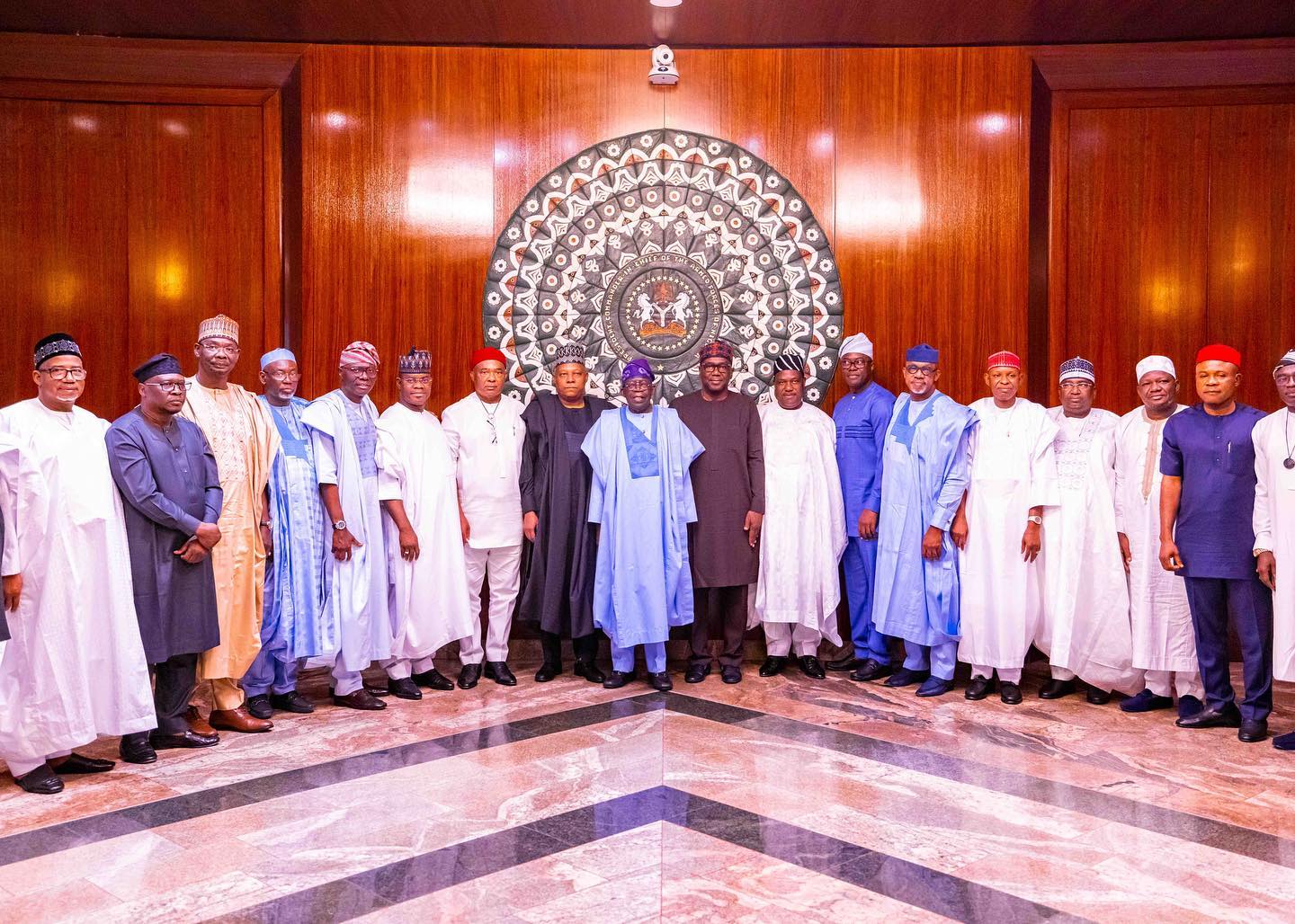
Speaking at the 15th National Executive Committee (NEC) meeting of the ruling All Progressives Congress (APC) at the State House Conference Centre, the President did not mince words. He addressed the persistent defiance by some governors against the Supreme Court’s July 2024 judgment, which unequivocally granted financial independence to the nation’s 774 local councils. The apex court’s ruling had declared it unconstitutional for state governments to withhold, control, or manage funds meant for the third tier of government, mandating instead that such monies be paid directly from the Federation Account.
Despite this legal clarity, reports indicate that the practice of managing local funds through “joint accounts”—often a vehicle for siphoning resources—remains prevalent in several states. President Tinubu’s address to the party leadership, which included governors, lawmakers, and key stakeholders, served as a final notice. “The Supreme Court has capped it for you again, saying, ‘give them their money directly,'” Tinubu stated, emphasizing the finality of the judicial pronouncement.
The President’s metaphor was stark and authoritative: “If you wait for my Executive Order, because I have the knife, I have the yam, I will cut it.” This imagery underscores his constitutional power to control the disbursement mechanism if the states fail to align voluntarily. He noted that while he has been “respectful and understanding” thus far, continued obstruction would be met with “fact after fact” implementation, suggesting a rigid adherence to federal allocation protocols that would leave governors with no maneuvering room.
The threat of an Executive Order suggests that the Presidency may soon direct the Federation Account Allocation Committee (FAAC) to bypass state accounts entirely, crediting local councils directly without the intermediary role governors have long exploited. This would be a radical shift in Nigeria’s fiscal federalism, potentially crippling the stranglehold state executives have held over local development funds for decades.
The meeting, presided over by APC National Chairman Nentawe Yilwatda, was not solely focused on fiscal discipline. It also served as a display of the party’s consolidation. Highlighting the party’s expansion, Yilwatda pointed to the presence of six governors who recently defected from the opposition Peoples Democratic Party (PDP), including the governors of Rivers, Enugu, Delta, Bayelsa, Akwa Ibom, and Taraba states. This influx, alongside the unanimous endorsement of President Tinubu for a second term by the Progressive Governors’ Forum, paints a picture of a party tightening its grip on the political landscape even as it attempts to enforce internal discipline regarding governance.
However, the core message remains the President’s ultimatum. By threatening to use his executive powers to enforce the Supreme Court’s will, Tinubu is positioning himself as the defender of the constitution and grassroots development. The coming months will reveal whether this threat is enough to compel compliance or if the federal government will indeed have to “cut the yam” itself, fundamentally altering the financial architecture of the Nigerian state.