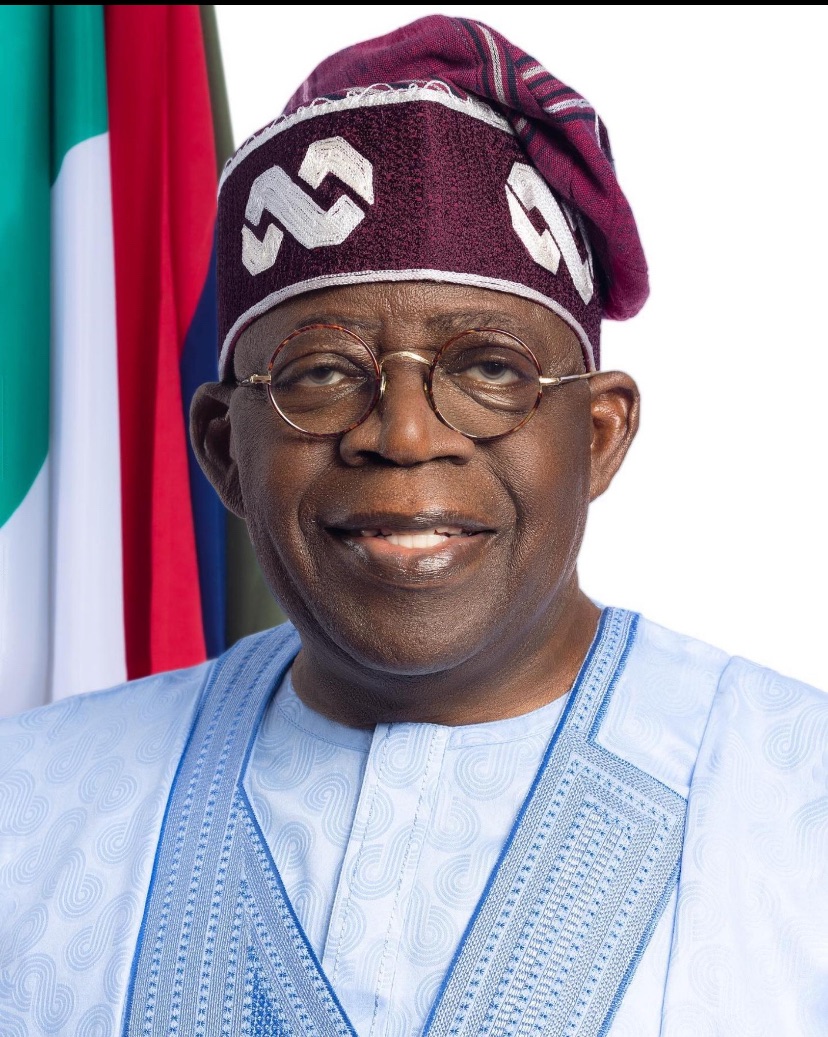

President Bola Tinubu’s administration has secured $11.4 billion in World Bank loan approvals within three years, bringing it close to the total amount approved during former President Muhammadu Buhari’s eight years in office.
An analysis of World Bank data shows that between June 2023 and June 2026, Nigeria received approval for $11.4 billion in loans under the Tinubu administration. During Buhari’s two terms, from 2015 to 2023, the World Bank approved a total of $14.59 billion for Nigeria.
This means the current administration has already secured about 78 percent of Buhari’s total World Bank approvals and needs only about $3.19 billion more to exceed that record.
The figures also reveal that Tinubu’s administration has already surpassed the total loan approvals recorded during Buhari’s first four years in office, when about $5.56 billion was approved.
Despite the large amount approved, only $2.32 billion has been released to Nigeria so far under the Tinubu administration. This leaves more than $8.4 billion yet to be disbursed, representing a disbursement rate of just over 20 percent.
In comparison, projects approved during Buhari’s administration have progressed much further. Of the $14.59 billion approved during his presidency, about $11.94 billion has already been disbursed, giving a disbursement rate of nearly 82 percent.
Most of the World Bank funding approved under Tinubu is targeted at economic reforms, electricity, agriculture, healthcare, education, financial inclusion, digital infrastructure, and social protection.
One of the biggest approvals came in June 2024, when the World Bank approved $2.25 billion to support Nigeria’s economic reform programme. The package was designed to improve economic stability, strengthen government revenue, support fiscal reforms, and provide assistance to vulnerable Nigerians affected by ongoing reforms.
The funding came shortly after the Federal Government removed fuel subsidies and introduced foreign exchange reforms, policies that have contributed to higher inflation and an increase in the cost of living.
In June 2026, the World Bank also approved another $1.25 billion under the Nigeria Actions for Investment and Jobs Acceleration programme. The initiative is expected to encourage private sector growth, create jobs, improve agriculture, strengthen digital infrastructure, and expand access to electricity.
Agriculture has remained another major beneficiary. In March 2026, Nigeria received approval for a $500 million agricultural project aimed at improving food production, strengthening value chains, expanding market access for farmers, and creating employment opportunities.
The power sector has also attracted significant investment. Shortly after Tinubu assumed office, the World Bank approved $750 million for electricity sector recovery. Another $750 million was later approved for renewable energy projects expected to provide electricity access to millions of Nigerians.
Additional financing has also gone into dam safety, irrigation systems, and hydropower generation to improve the country’s energy supply.
Education and healthcare continue to receive strong support as well. Several projects worth billions of dollars have been approved to improve schools, strengthen primary healthcare, empower women and girls, and improve nutrition across Nigeria.
Meanwhile, digital infrastructure and financial inclusion have become new priority areas. The World Bank approved funds to improve broadband connectivity and increase access to financing for micro, small and medium-sized businesses.
Although loan approvals have increased significantly, experts remain divided over Nigeria’s growing debt profile.
Some economists argue that borrowing from institutions like the World Bank is acceptable because the loans usually come with lower interest rates and longer repayment periods than commercial loans. They believe such borrowing can benefit the country if the funds are invested in projects that generate economic growth and increase government revenue.
Others, however, warn that Nigeria’s rising debt could become a burden if projects are poorly implemented or fail to generate enough returns. They also expressed concerns that increasing debt servicing costs may reduce government spending on infrastructure and other essential public services.
According to recent figures from the Debt Management Office, Nigeria owed the World Bank about $19.89 billion as of December 2025, making the institution the country’s largest external creditor.
The World Bank explained that approved loans are not released all at once. Instead, funds are disbursed gradually as projects meet agreed milestones and implementation targets.
Government officials have defended the borrowing strategy, insisting that the focus should not only be on the amount borrowed but also on how the funds are used to support economic growth, infrastructure development, and long-term national development.