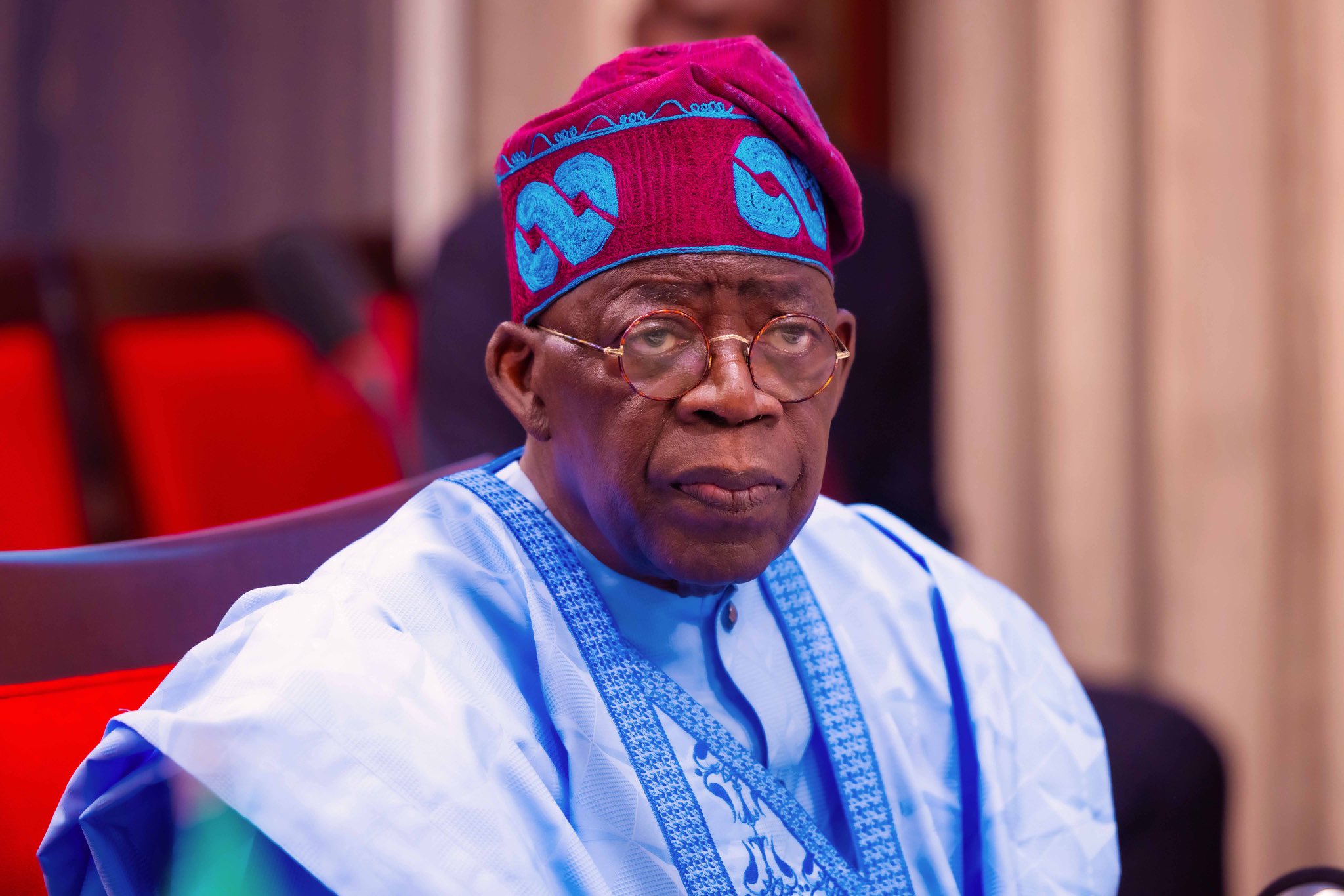

President Bola Tinubu has directed the Federal Competition and Consumer Protection Commission (FCCPC) to launch an immediate investigation into global technology companies, including Meta, Alphabet-owned Google, X, and several generative artificial intelligence (AI) platforms, following a formal petition submitted by the Nigerian Press Organisation (NPO).
The investigation will examine allegations of anti-competitive practices, abuse of market dominance, and the unauthorized use of copyrighted content produced by Nigerian media organisations. According to the petition, local publishers claim the technology companies have scraped news articles and other editorial materials to train AI models without obtaining consent or providing financial compensation to content owners.
The publishers also argue that the platforms’ dominant position in digital advertising and online content distribution has weakened the commercial viability of Nigerian news organisations by reducing advertising revenues and limiting their bargaining power.
Responding to the presidential directive, the FCCPC said the exercise is an evidence-based fact-finding investigation rather than a determination of liability. The commission stressed that the inquiry is intended to establish the facts through consultations with all affected stakeholders before reaching any regulatory conclusions.
“The President’s directive underscores our commitment to ensuring a digital economy that is fair for all Nigerian businesses,” an FCCPC spokesperson said, adding that the commission will conduct the investigation transparently while collecting submissions from technology firms, publishers, industry experts and consumer groups over the coming weeks.
The regulatory review comes as governments worldwide intensify scrutiny of how major technology companies collect data, deploy artificial intelligence and compete in digital markets. Regulators across Europe and the United States have introduced measures aimed at addressing concerns over AI training datasets, copyright protection, digital advertising dominance and fair competition.
The Nigerian Press Organisation, which represents leading newspaper publishers across the country, welcomed the decision, describing it as a significant step toward protecting intellectual property rights and preserving the long-term sustainability of journalism.
Industry analysts say the outcome of the investigation could influence Nigeria’s evolving digital economy by shaping future rules governing AI development, content licensing and competition in online markets. Depending on the findings, the FCCPC could recommend regulatory reforms, negotiate industry-wide compliance measures or pursue enforcement actions where breaches of competition or consumer protection laws are established.
The investigation is expected to conclude with policy recommendations that could redefine the relationship between global technology platforms and Nigeria’s media industry, while reinforcing the country’s commitment to a more competitive and balanced digital marketplace.