
President Bola Tinubu has launched five World Bank-supported development programmes valued at approximately $3.05 billion, marking one of the Federal Government’s largest coordinated interventions aimed at reducing poverty, improving healthcare and education, and strengthening the resilience of vulnerable communities across Nigeria.
The programmes, unveiled on Thursday, July 16, 2026, at the Presidential Villa in Abuja, form a comprehensive package designed to support the administration’s economic reform agenda while expanding investments in human capital, the knowledge, skills and health that enable people to participate productively in the economy.
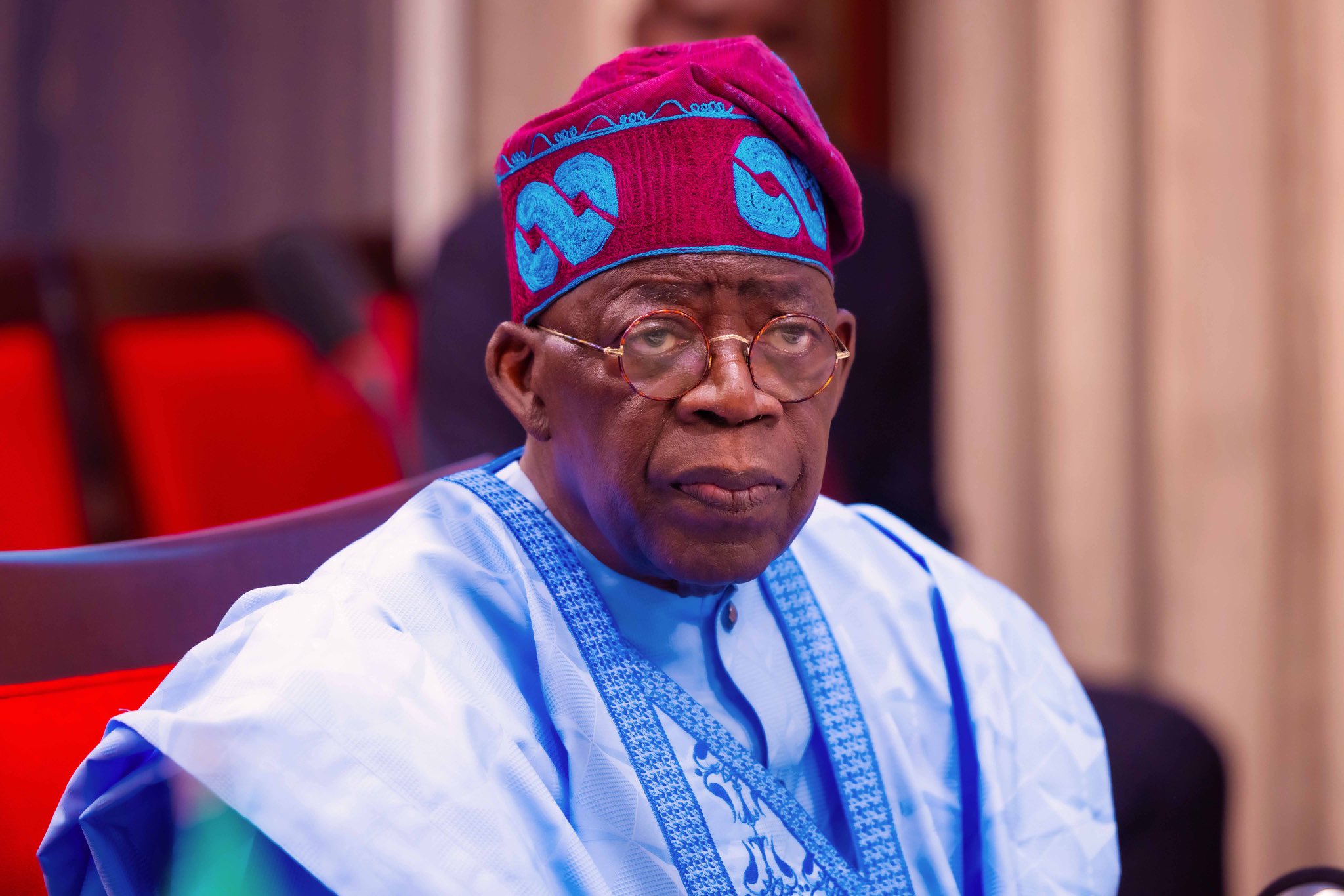
Represented by the Minister of Finance and Coordinating Minister of the Economy, Mr Taiwo Oyedele, President Tinubu described the initiatives as a unified national strategy rather than standalone projects, saying they align with the administration’s Renewed Hope Agenda.
The financing package consists of the Nigeria Community Action for Resilience and Economic Stimulus Additional Financing (NG-CARES AF), the Solutions for Internally Displaced and Host Communities (SOLID) programme, and the Human Capital Opportunities for Prosperity and Equity (HOPE) initiative, which includes the HOPE-GOV, HOPE-PHC and HOPE-EDU components.
The $1.25 billion NG-CARES Additional Financing programme will provide support for smallholder farmers, vulnerable households and small and medium-sized enterprises (SMEs), building on the original NG-CARES initiative implemented between 2021 and 2025, which the government said reached about 17.6 million beneficiaries.
The $300 million SOLID programme is designed to bridge emergency humanitarian assistance with long-term development by investing in infrastructure, livelihoods and essential public services for internally displaced persons and their host communities. The initiative is expected to benefit up to 7.4 million Nigerians.
Meanwhile, the $1.5 billion HOPE programme represents the government’s flagship investment in education and healthcare. Within the package, HOPE-PHC will channel $570 million into strengthening primary healthcare services for an estimated 40 million Nigerians, particularly women and children. HOPE-EDU, valued at $562 million, aims to improve learning outcomes across nearly 65,000 public schools, benefiting around 29 million pupils and 500,000 teachers, while HOPE-GOV focuses on improving governance, accountability and service delivery in the health and education sectors.
Speaking at the launch, Tinubu said the programmes come as the administration begins to see early gains from ongoing macroeconomic reforms, adding that economic progress must translate into tangible improvements in household welfare rather than remain reflected only in national economic data.
Minister of Budget and Economic Planning, Abubakar Bagudu, said the interventions would help cushion vulnerable Nigerians from economic shocks while supporting inclusive growth. World Bank Country Director for Nigeria, Matthew Verghis, described the programmes as evidence of the importance of sustained investment in people as a foundation for long-term economic development.
Economists say successful implementation will be critical. While the financing provides significant fiscal support for Nigeria’s social sectors, the programmes’ long-term impact will depend on transparent execution, effective coordination among federal and state governments, and robust monitoring to ensure funds translate into measurable improvements in healthcare, education and livelihoods.