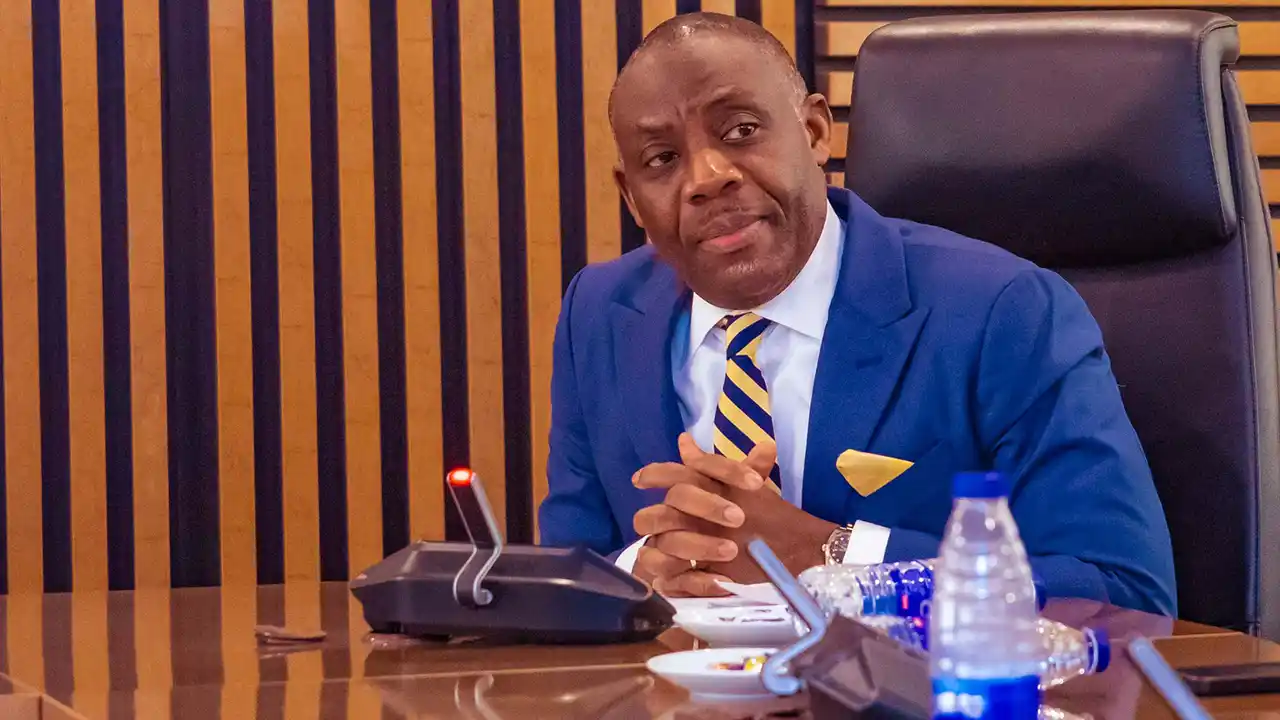

The Federal Government has positioned education and skills development at the centre of President Bola Tinubu’s ambition to build a $1 trillion Nigerian economy by 2030, unveiling reforms aimed at expanding access to higher education, addressing critical skills shortages and developing a globally competitive workforce.
Minister of Education, Dr. Maruf Tunji Alausa, said in a weekend interview that the administration is implementing structural reforms to equip millions of young Nigerians with the knowledge, technical expertise and professional skills needed to improve productivity, support economic growth and meet rising demand for skilled labour both within Nigeria and internationally.
“We want to be the manpower supplier of the world. We need to produce competent, skilled and educated young Nigerians who will drive our economy, contribute to Africa’s growth and compete successfully across the world,” Alausa said.
A major component of the reforms is the expansion of admissions into health-related programmes to address workforce shortages and position Nigeria to benefit from growing global demand for healthcare professionals. According to the minister, annual admissions into nursing schools have increased from about 20,000 to nearly 50,000 students, while enrolment capacities for medicine, pharmacy and dentistry have also been significantly expanded.
Beyond increasing access to higher education, Alausa said the government is strengthening technical and vocational education, digital skills development and other human capital initiatives designed to produce graduates with competencies aligned with labour market needs and the country’s long-term economic transformation agenda.
The minister also reaffirmed the Federal Government’s commitment to ensuring the long-term sustainability of the Nigerian Education Loan Fund (NELFUND), describing the scheme as a permanent intervention aimed at removing financial barriers to tertiary education rather than a temporary policy initiative. Official NELFUND figures show that, as of early July 2026, the fund had disbursed approximately ₦303.91 billion to more than 1.64 million student beneficiaries across the country.
On industrial relations, Alausa said dialogue with academic unions and improvements in staff welfare had helped restore relative stability across Nigeria’s public tertiary institutions. According to him, the government fulfilled key commitments, including the payment of 50% of previously withheld salaries inherited from earlier disputes and the implementation of a 40% increase in the Consolidated Academic Allowance (CAA) for members of the Academic Staff Union of Universities (ASUU), effective January 1, 2026.
The minister said the improved industrial climate is helping to strengthen teaching, learning and research across universities. He noted that the latest Times Higher Education World University Rankings featured 24 Nigerian universities, up from 21 previously, with public universities occupying the country’s highest-ranked positions.
Alausa said the reforms underscore the Tinubu administration’s commitment to investing in human capital as a key driver of sustainable economic growth. He maintained that improving access to quality education, expanding skills development and promoting research and innovation would be essential to achieving Nigeria’s long-term development objectives and its target of becoming a $1 trillion economy by 2030.