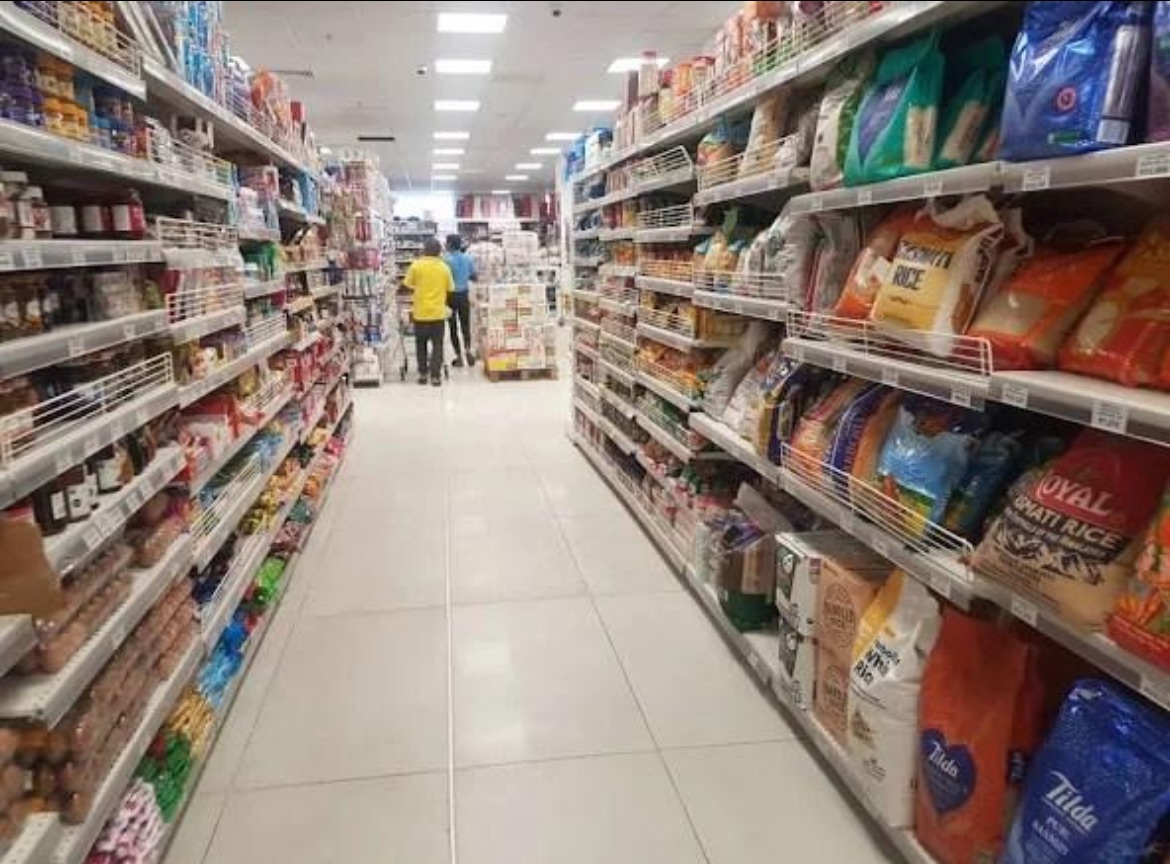

Opening a small supermarket in Lagos in 2026 can require about ₦3 million to ₦12 million, depending on the location, size of the shop, opening stock, equipment and amount of working capital available.
The biggest expenses are not business registration but securing a suitable shop, filling it with products, installing shelves and refrigeration equipment, providing alternative power and keeping enough cash available to operate after opening.
A 2026 cost estimate for starting a mini supermarket puts the total investment at between ₦3 million and ₦10.81 million, with opening stock accounting for roughly ₦1.5 million to ₦4 million, equipment up to ₦1.5 million and shop fitting between ₦200,000 and ₦1 million. These figures are estimates and can rise substantially in expensive parts of Lagos.
Location is one of the first major decisions for an aspiring supermarket owner.
Current commercial property listings show how widely shop rents vary across Lagos. In Ikeja, listed shops range from about ₦2.5 million to ₦30 million per year, depending on the size and location. The average asking price varies across listings, showing the significant difference between ordinary neighbourhood spaces and premium commercial areas.
In Lekki, the average asking price for shops is around ₦8 million per year, while some available spaces are listed for considerably less.
There are also cheaper options. Recent listings in Yaba include shops advertised from ₦500,000 to ₦3 million annually, showing why location can make a major difference to the amount of capital required.
For a new entrepreneur, this means choosing a busy but affordable residential area may be more financially sensible than taking an expensive shop on a major commercial road.
After rent, inventory is likely to take the largest share of the startup budget.
A supermarket needs enough products to give customers variety from the first day. Typical opening stock can include rice, noodles, cooking oil, beverages, cereals, toiletries, detergents, snacks, household products and other fast-moving consumer goods.
Current Nigerian supermarket startup estimates place initial inventory at approximately ₦1.5 million to ₦4 million for a small-to-medium operation.
An entrepreneur with limited capital may therefore be better off concentrating on fast-moving products instead of spending heavily on items that could remain on the shelves for months.
A supermarket also needs more than products and a rented space.
Shelving, display racks, checkout counters, lighting and basic shop improvements can cost hundreds of thousands of naira. Refrigerators and freezers become necessary when the business sells chilled drinks, dairy products, ice cream or frozen foods.
Power is another important consideration in Lagos. A supermarket cannot afford prolonged interruptions when refrigerators and freezers contain products that can spoil. Business owners may therefore need to budget for a generator, inverter or another backup electricity system.
A 2026 supermarket cost estimate puts equipment, including refrigeration and related setup, at roughly ₦400,000 to ₦1.5 million, while power backup can add several hundred thousand naira depending on the system selected.
Compared with rent, inventory and equipment, formal business registration represents a smaller part of the startup budget.
The Corporate Affairs Commission provides an online process for registering a business name through its Company Registration Portal. Its published fee schedule lists ₦10,000 for registration and certification of business-name documents, although other charges or professional assistance may apply depending on the application.
The entrepreneur may also need to budget for relevant local permits, signage, accounting, security and other operating requirements.
One of the biggest mistakes a new supermarket owner can make is spending the entire budget before opening.
A shop may look ready, but sales may take time to build. The owner still has to pay workers, electricity, transportation, security and other bills while replenishing products.
For this reason, current startup estimates recommend keeping hundreds of thousands of naira or more as working capital rather than putting every available naira into opening stock and decoration.
For example, an entrepreneur working with ₦8 million could choose a moderately priced location, allocate about ₦2.5 million to ₦3.5 million for opening stock, spend carefully on shelves and refrigeration and preserve part of the capital for salaries, electricity and restocking.
The actual amount will depend heavily on the part of Lagos, the landlord’s payment terms, shop size and the products the supermarket plans to sell.
The key financial question, therefore, is not simply “How much does it cost to open a supermarket?”but “How much can I spend on opening and still have enough money to keep the business running?”
For Lagos entrepreneurs, that distinction could determine whether a new supermarket survives its first few months or runs out of cash shortly after opening.