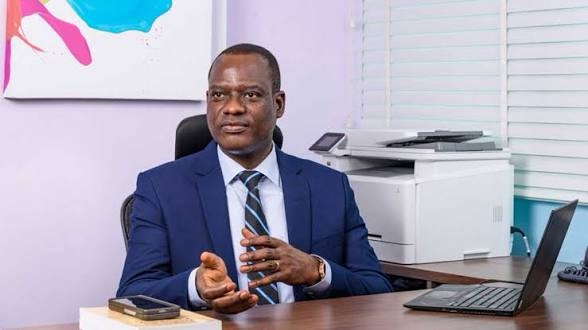

Nigeria’s newly created Office of the Tax Ombud has announced plans to reduce the number of tax-related court cases and encourage more Nigerians to comply voluntarily with tax regulations. The initiative is expected to transform the way tax disputes are resolved between taxpayers and government revenue agencies.
Speaking during a meeting with financial journalists in Abuja on Tuesday, the Tax Ombud and Chief Executive Officer of the office, Dr. John Nwabueze, explained that the agency was established to act as an independent link between taxpayers and tax authorities. According to him, the office will focus on resolving disputes through mediation, conciliation, stakeholder engagement, and other alternative dispute resolution methods instead of lengthy and costly litigation.
Dr. Nwabueze said the office is committed to creating a fair and efficient tax administration system where taxpayers can seek redress without facing unnecessary challenges. He noted that many disputes often end up in court, causing delays, increased costs, and strained relationships between taxpayers and revenue agencies. The new office aims to address these issues by providing a faster and more accessible platform for resolving complaints.
He emphasized that the Tax Ombud serves as a protector of taxpayers’ rights while also helping to strengthen trust in Nigeria’s tax system. Through its independent operations, the office seeks to ensure that taxpayers are treated fairly and that their concerns are addressed promptly and transparently.
As part of its efforts to improve accessibility, the Office of the Tax Ombud has introduced several digital platforms. These include a dedicated website, a customer support call centre, and a case management portal. Through these channels, individuals, businesses, and other stakeholders can obtain tax-related information, submit complaints online or by phone, and monitor the progress of their cases in real time.
The introduction of these digital tools is expected to remove many of the barriers that previously discouraged taxpayers from reporting grievances. For years, many Nigerians have complained about the complexity of formal tax complaint procedures and difficulties in challenging questionable tax assessments or administrative decisions. The new system is designed to make the process easier and more transparent.
Beyond handling disputes, Dr. Nwabueze said the office also has a broader goal of promoting a stronger tax culture across the country. He explained that citizens need to better understand how the tax system works and why paying taxes is important for national development. By increasing awareness and trust, the office hopes to encourage more people and businesses to meet their tax obligations willingly.
He also called on members of the media to support the initiative by educating the public about the services offered by the Tax Ombud and guiding taxpayers on how to file complaints when necessary.
According to Dr. Nwabueze, modern tax systems around the world are built on fairness, accessibility, accountability, and public confidence, not just revenue collection. He noted that the establishment of the Office of the Tax Ombud aligns Nigeria with international best practices in taxpayer protection and institutional transparency.
The office was established as part of the Federal Government’s broader tax reform agenda under President Bola Tinubu’s administration. The reforms, championed by Finance Minister Taiwo Oyedele, are regarded as one of the most comprehensive efforts to modernize Nigeria’s tax system in decades. Several tax reform bills linked to the initiative are currently under consideration by the National Assembly.