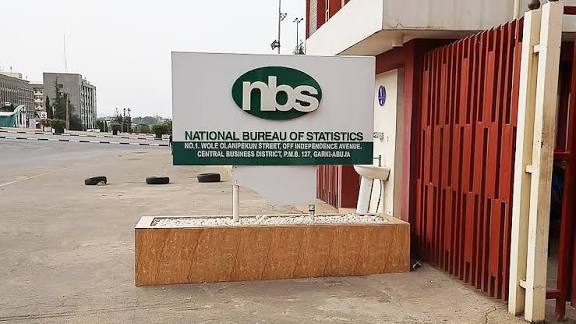

Nigeria’s merchandise trade expanded to N34.8 trillion in the first quarter of 2026, reflecting stronger export performance and sustained external demand for Nigerian goods, according to the latest figures released by the National Bureau of Statistics (NBS).
The report underscores the resilience of Africa’s largest economy despite persistent global trade uncertainties, currency volatility, and shifting commodity market dynamics. Export earnings grew faster than imports during the quarter, helping to strengthen Nigeria’s trade balance and support foreign exchange inflows.
According to the NBS, total trade for the period reached N34.8 trillion, with exports accounting for the larger share of transactions. The stronger export performance was driven largely by crude oil shipments, which remain Nigeria’s dominant foreign exchange earner, alongside growing contributions from non-oil sectors including agriculture, manufacturing, and solid minerals.
The widening gap between exports and imports points to an improving trade position for Nigeria. A trade surplus occurs when a country exports more goods than it imports, generating additional foreign exchange and supporting macroeconomic stability. Economists generally view sustained trade surpluses as positive for currency liquidity, fiscal revenues, and investor confidence.
Market analysts said the latest trade figures reflect the impact of ongoing reforms aimed at improving export competitiveness and attracting investment into productive sectors. Increased export receipts could also provide support for the naira by boosting the supply of foreign currency in the economy.
Imports remained significant during the quarter, reflecting continued demand for industrial machinery, refined petroleum products, transportation equipment, pharmaceuticals, and other manufactured goods required to support economic activity. However, the pace of import growth lagged export expansion, allowing overall trade performance to improve.
The data arrive at a critical time for policymakers seeking to diversify Nigeria’s export base and reduce dependence on crude oil revenues. While oil continues to account for the bulk of export earnings, authorities have repeatedly emphasized the importance of expanding non-oil exports to strengthen economic resilience and reduce vulnerability to fluctuations in global energy prices.
Business leaders and investors are expected to closely monitor subsequent trade reports for signs that recent gains can be sustained. A continued rise in non-oil exports would signal progress toward broader economic diversification, while stronger trade surpluses could enhance Nigeria’s external position and support long-term growth objectives.
Looking ahead, analysts believe the trajectory of global oil prices, exchange-rate stability, export infrastructure improvements, and domestic production levels will remain key determinants of Nigeria’s trade performance through the remainder of 2026.