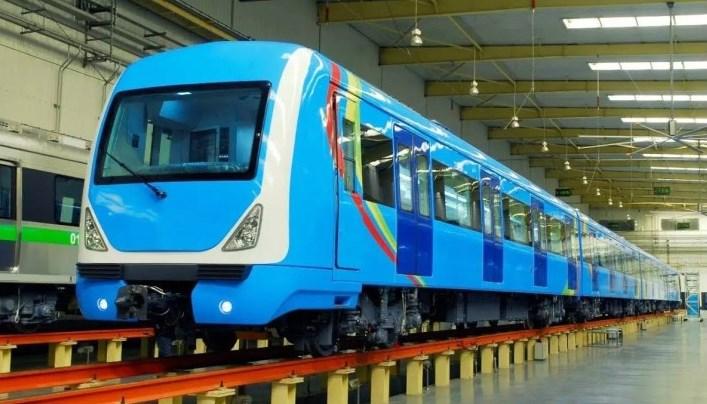

Nigeria’s Federal Government is advancing plans to extend the national rail network to Lagos airport, a move aimed at strengthening transportation connectivity, reducing road congestion, and enhancing passenger mobility in the country’s commercial capital.
The Minister of Aviation and Aerospace Development, Festus Keyamo, disclosed the initiative as part of broader efforts to integrate aviation infrastructure with other modes of transportation and improve the overall travel experience for passengers.
According to Keyamo, the proposed rail extension will connect airport facilities to the wider national railway system, creating a seamless transport corridor for travelers and cargo operators. The project aligns with the government’s long-term strategy to develop an integrated multimodal transportation network capable of supporting Nigeria’s growing population and expanding economy.
Lagos, Nigeria’s busiest aviation hub, handles millions of passengers annually through the Murtala Muhammed International Airport. However, access to the airport remains heavily dependent on road transport, exposing travelers to chronic traffic congestion that often results in delays and increased travel costs. Industry stakeholders have long advocated for rail connectivity as a sustainable solution to the city’s transportation challenges.
Transportation analysts say direct rail access to the airport could significantly improve efficiency by shortening travel times, lowering logistics costs, and reducing pressure on Lagos’ overstretched road infrastructure. The development could also strengthen Nigeria’s competitiveness as a regional aviation and logistics hub, particularly as authorities seek to attract greater investment into the aviation sector.
The rail extension proposal comes amid renewed government efforts to modernize critical infrastructure across the country. In recent years, Nigeria has invested heavily in railway development, including standard-gauge rail projects designed to improve the movement of passengers and freight between major economic centers.
Beyond passenger convenience, improved airport connectivity could generate broader economic benefits. Enhanced transport links often stimulate commercial activity, increase property development around transit corridors, and support tourism growth by making destinations more accessible.
While specific timelines, funding arrangements, and project implementation details have yet to be announced, the proposal signals the government’s commitment to leveraging infrastructure investment as a catalyst for economic development.
Market observers note that successful execution of the rail extension could serve as a model for future airport-rail integration projects across Nigeria, helping bridge long-standing infrastructure gaps and creating a more efficient transportation ecosystem.
For airlines, logistics operators, businesses, and travelers, the planned rail link represents a potentially transformative step toward modernizing mobility and supporting Nigeria’s ambitions for sustainable urban and economic growth.