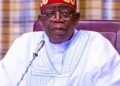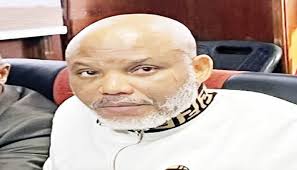

Members of Parliament (MPs) from Nigeria’s South-East region have made a direct appeal to President Bola Tinubu, urging him to grant a presidential pardon to Nnamdi Kanu, the recently convicted leader of the outlawed Indigenous Peoples of Biafra (IPOB).
Kanu was handed a life sentence last week after being found guilty of terrorism charges. However, the 42 members of the South-East Caucus in the House of Representatives believe that his continued imprisonment is a severe threat to peace and stability in the region.
The MPs, meeting in Abuja on 24 November 2025, acknowledged and respected the judicial process that led to the conviction. Nevertheless, they stressed that the situation has evolved beyond a purely legal matter into a “broader national concern” with grave security and economic consequences.
The lawmakers’ appeal carries a strong economic angle, directly linking Kanu’s detention to the ongoing disruption and decline in the South-East. The region, a major commercial hub in Nigeria, has suffered severe social and economic disruption due to the associated unrest and the enforced “sit-at-home” protests by IPOB sympathisers.
Reports indicate that the prolonged protests, often enforced violently, have effectively shut down economic activity on key business days, particularly Mondays, since Kanu’s rearrest and continued detention. This has caused an enormous financial cost, with some estimates placing the losses in the South-East’s economy in the billions of Naira every week. Vital sectors like small and medium-sized enterprises (SMEs), transportation, and commerce have been severely impacted, leading to reduced productivity, job losses, and a marked drop in investor confidence and capital inflow into the region. The lawmakers argue that a political solution is essential to allow businesses and communities to return to normal and dignified life.
In a communique, the caucus humbly appealed to President Tinubu to consider a “political and humanitarian intervention,” invoking his constitutional powers under Section 175 of the 1999 Constitution to grant a pardon.
They urged the President to prioritise national stability over a strict application of the law, arguing that an act of clemency would deeply resonate across the country. Such a gesture, they believe, would symbolise inclusiveness, fairness, and leadership that chooses healing and dialogue over division.
The MPs firmly believe that releasing the IPOB leader would de-escalate tensions and create an opportunity for a broader, more constructive engagement between the Federal Government, elected officials, and community stakeholders to find a lasting path to peace. While assuring their constituents of continued engagement with the government, the caucus also urged residents of the South-East to remain calm and law-abiding.