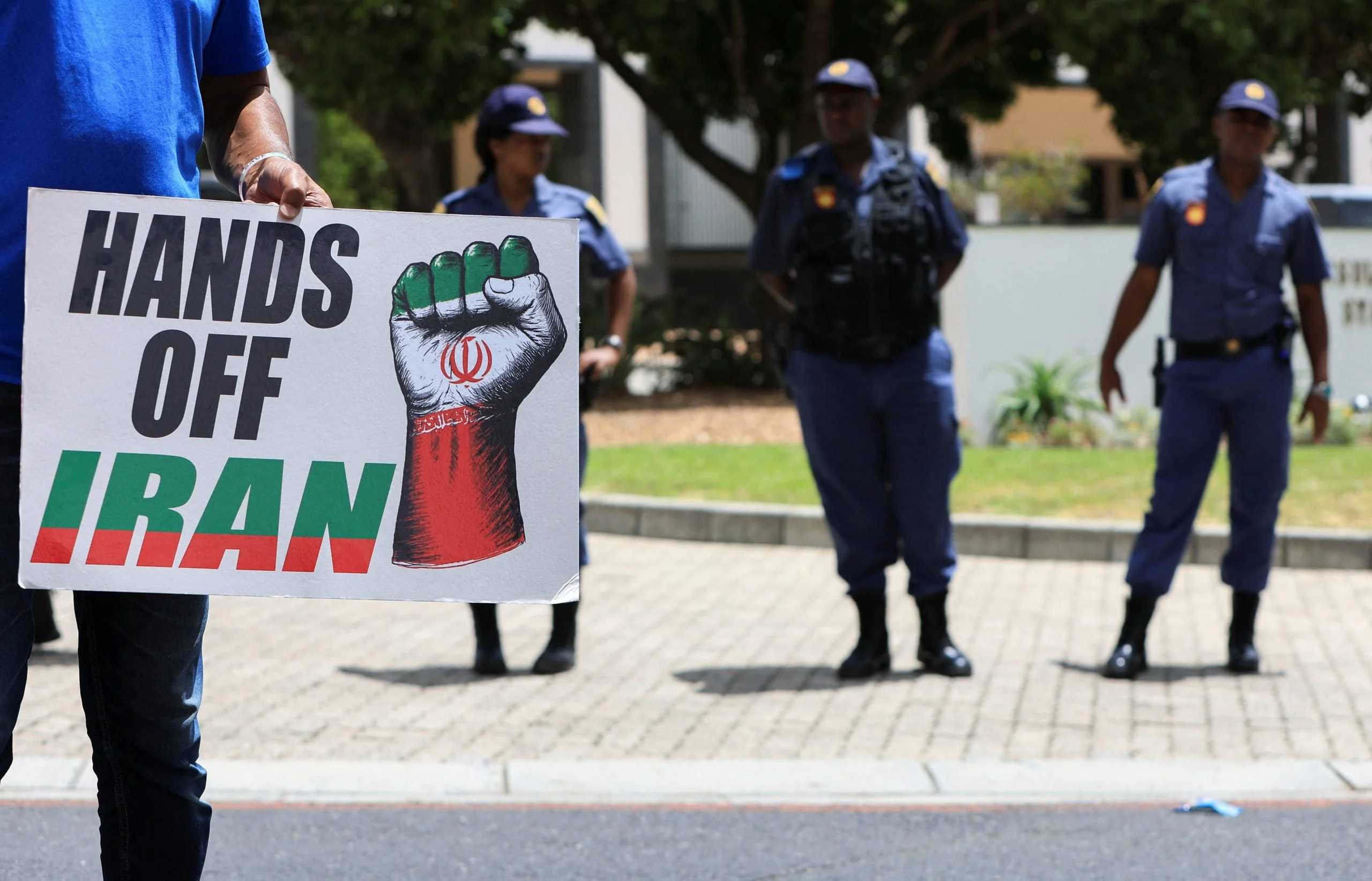

South Africa says it has no plans to cut diplomatic ties with Iran despite pressure from the United States, asserting its right to independent foreign policy. The country’s director-general of international relations, Zane Dangor, said Pretoria would not allow global powers to dictate its foreign policy or force it into geopolitical alliances.
Dangor’s comments follow remarks by the new U.S. ambassador, Leo Bozell, who suggested South Africa’s relationship with Iran could hinder ties with Washington. Relations between the two countries have been strained during the presidency of Donald Trump, particularly after the United States imposed a 30 percent tariff on South African imports.
Washington has also criticised Pretoria’s legal case against Israel at the International Court of Justice over the Gaza war, adding another layer of tension to the bilateral relationship. Despite these strains, South Africa says it remains open to dialogue with the United States while maintaining independent foreign policy decisions.
For South Africa’s economy, diplomatic tensions with the United States carry significant risks. The U.S. is a major trading partner, and the existing 30 percent tariff already affects South African exports. Further deterioration in relations could threaten market access for agricultural products, manufactured goods, and other exports, affecting jobs and economic activity.
The diplomatic stance also affects investor perceptions. South Africa relies on foreign investment to finance its current account deficit and support economic growth. Perceptions of geopolitical risk can influence capital flows, currency stability, and the cost of borrowing in international markets.
The balancing act between maintaining independent foreign policy and preserving crucial economic relationships represents a recurring challenge for South African diplomacy. The country’s non-aligned tradition, forged during the anti-apartheid struggle, remains deeply embedded in its foreign policy approach, even as economic realities demand careful management of relationships with major powers.