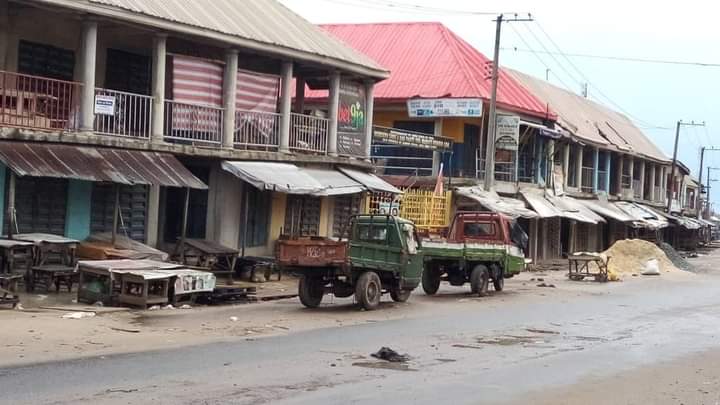

Commercial life is gradually returning across Nigeria’s South-East on Mondays after years of disruption caused by the “sit-at-home” order introduced in 2021 by the Indigenous People of Biafra. The order, originally intended to press for the release of Nnamdi Kanu, forced businesses, schools and markets to shut weekly, costing the region an estimated ₦7.6 trillion in lost economic activity between 2021 and early 2025, according to SBM Intelligence.
In recent months, activity has begun to rebound as political leaders urge residents to resume normal life. In Anambra State, Governor Chukwuma Soludo personally visited Onitsha’s main market to encourage traders to reopen, helping restore commercial confidence. Markets, schools and transport services are increasingly operating on Mondays across several towns, though compliance still varies.
While places like Owerri are seeing a return to normal activity, fear remains in parts of Orlu and Okigwe, where many residents remain cautious about fully reopening. The uneven recovery reflects lingering concerns about enforcement by remaining holdouts and the psychological impact of years of disruption.
For the South-East economy, the return of Monday commerce carries transformative potential. The region, known for its entrepreneurial dynamism and extensive trading networks, lost billions in economic output during the shutdown period. Each Monday of normal activity restores productive capacity, supports livelihoods, and rebuilds confidence in the region as a destination for investment.
Traders who have resumed report improved sales and the gradual rebuilding of customer relationships damaged by years of unpredictable closures. Transport operators are seeing increased patronage, and markets that were once deserted on Mondays now show signs of life. The recovery, while incomplete, represents a significant shift from the enforced idleness of previous years.
The economic impact extends beyond traders to manufacturers, suppliers, and service providers whose businesses depend on consistent weekly activity. For Nigeria’s national economy, a fully functioning South-East contributes significantly to manufacturing output, regional trade, and the broader entrepreneurial ecosystem.