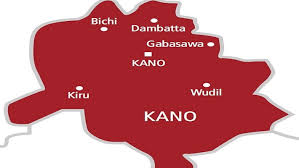

Nigeria’s Special Agro-Industrial Processing Zones (SAPZ) project has launched a major nutrition-focused initiative that aims to reach more than 25,000 farmers across 16 local government areas in Kano State. The programme is part of a wider effort supported by the Federal Government and its development partners to boost agricultural productivity and tackle nutrition challenges in rural communities.
Unveiling the plans in Kano, the SAPZ Communication Specialist, Malam Shehu Babangida, said the scheme will offer nutrition-sensitive support to farmers while promoting improved agricultural practices designed to enhance food security and livelihoods. He made the disclosure at a one-day media sensitisation workshop on behaviour-change communication aimed at improving nutrition among farming households.
According to Babangida, the nutrition component of the SAPZ programme builds on ongoing efforts to strengthen rural value chains and encourage healthy dietary habits within farming communities. He said data has already been collected for around 16,000 farmers in eight local government areas, and the initiative will extend support to an additional 9,000 dry-season farmers under its nutrition-focused interventions.
The SAPZ project is one of the flagship agricultural development initiatives of the Nigerian government, backed by several international partners including the African Development Bank, the International Fund for Agricultural Development (IFAD), the Islamic Development Bank and others. It is designed to integrate nutrition, production and value-chain development to help farmers get more from their land and improve the diets of their families.
At the sensitisation event, Hajiya Rabi Mustafa Sadiq, the Knowledge Manager and Communication Officer for SAPZ in Kano, explained that the initiative gives priority to improving production of key food crops such as tomatoes, sesame, groundnuts and rice. Alongside boosting output, the programme aims to improve processing methods and open up better access to markets, helping farmers to earn more from their produce.
Officials from the Kano State Ministry of Health also took part in discussions, underscoring the link between farming and nutrition outcomes. Dr Auwalu Musa Umar, Senior Nutrition Officer, said the state government has directed the Bureau of Statistics to gather up-to-date information on farming households. This, he explained, will help planners target future interventions more effectively and ensure the right support reaches families in need.
The SAPZ nutrition initiative is part of a broader push to integrate dietary and health concerns into agricultural policies. This approach goes beyond simply increasing crop yields to include education on balanced diets and the nutritional value of different foods, with the intention of reducing malnutrition in rural areas where food diversity can be limited.
SAPZ has already implemented a number of related programmes in Kano, such as distributing home gardening toolkits to households to encourage cultivation of nutrient-rich vegetables and crops, particularly among women and other vulnerable groups. These smaller interventions are intended to complement the broader nutrition strategy and help families grow a wider variety of crops at household level.
The focus on agriculture and nutrition comes at a time when many rural farmers face multiple challenges, including limited access to markets, poor infrastructure and fluctuating weather conditions. By promoting good agricultural practices, expanding opportunities for farm households and strengthening local value chains, SAPZ hopes to create a more resilient and profitable farming environment for thousands of families across Kano State.
Local media and community voices have welcomed the initiative, describing it as a positive step towards improved food security and farm incomes. Supporters note that integrating nutrition into agricultural programmes is increasingly recognised as essential for long-term rural development and healthier communities.
As SAPZ rolls out its nutrition interventions across the state, officials say they will continue to monitor progress and adjust strategies to ensure that the intended benefits reach as many farmers and households as possible.