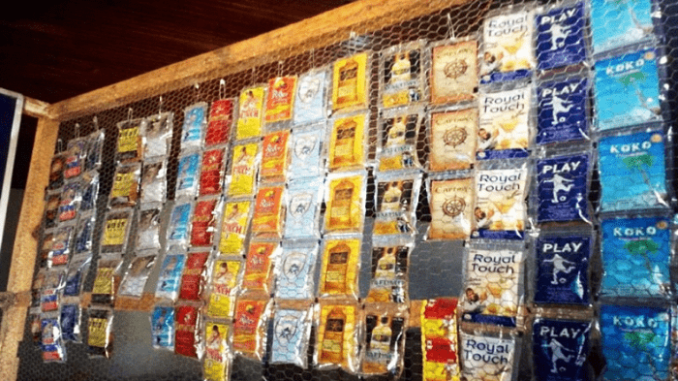

The Manufacturers Association of Nigeria (MAN) and the Nigeria Employers’ Consultative Association (NECA) raised the concerns in a joint commentary published on Monday, reacting to the renewed enforcement drive by the National Agency for Food and Drug Administration and Control (NAFDAC) against sachet alcohol.
The Director-General of NECA, Adewale Oyerinde, and the Director-General of MAN, Segun Ajayi-Kadir, said the wines and spirits industry supports more than 500,000 direct and indirect jobs spanning manufacturing, logistics, retail, packaging, hospitality and agriculture.
According to them, investments tied specifically to sachet and small PET alcohol formats, including production lines, packaging equipment and distribution infrastructure, are estimated at over N400bn, while the broader alcoholic beverages sector generated more than N2tn in revenue in 2024.
They warned that sudden enforcement actions such as factory shutdowns, seizures and abrupt compliance demands could undermine investor confidence, shrink formal employment and push economic activity into informal and unregulated markets.
The two organisations said they support regulation and efforts to curb underage drinking and alcohol abuse but argued that the current approach is flawed. They maintained that banning sachet alcohol produced by licensed and regulated manufacturers would not address youth consumption, but instead encourage smuggling and the spread of unsafe, unregulated products.
MAN and NECA also raised concerns about regulatory inconsistency, noting that the Office of the Secretary to the Government of the Federation had directed a suspension of the ban in December 2025 to allow further stakeholder engagement, while the House of Representatives had earlier urged restraint following a public hearing.
Proceeding with enforcement despite these directives, they said, sends negative signals to investors and weakens confidence in Nigeria’s regulatory environment.
The groups called for an immediate halt to enforcement actions and urged regulators to shift focus to age verification at points of sale, public education, and access control rather than packaging formats.
They also demanded the publication of scientific risk assessments specific to sachet alcohol, stressing that affected products had previously been tested, approved and registered by NAFDAC in line with global standards.
According to the associations, sachet packaging reflects Nigeria’s socio-economic realities by providing adult consumers with access to regulated products, warning that eliminating such options could drive demand toward illicit alternatives.
They pledged continued engagement with government to develop a balanced, evidence-based regulatory framework that protects public health while safeguarding jobs, investment and economic growth.