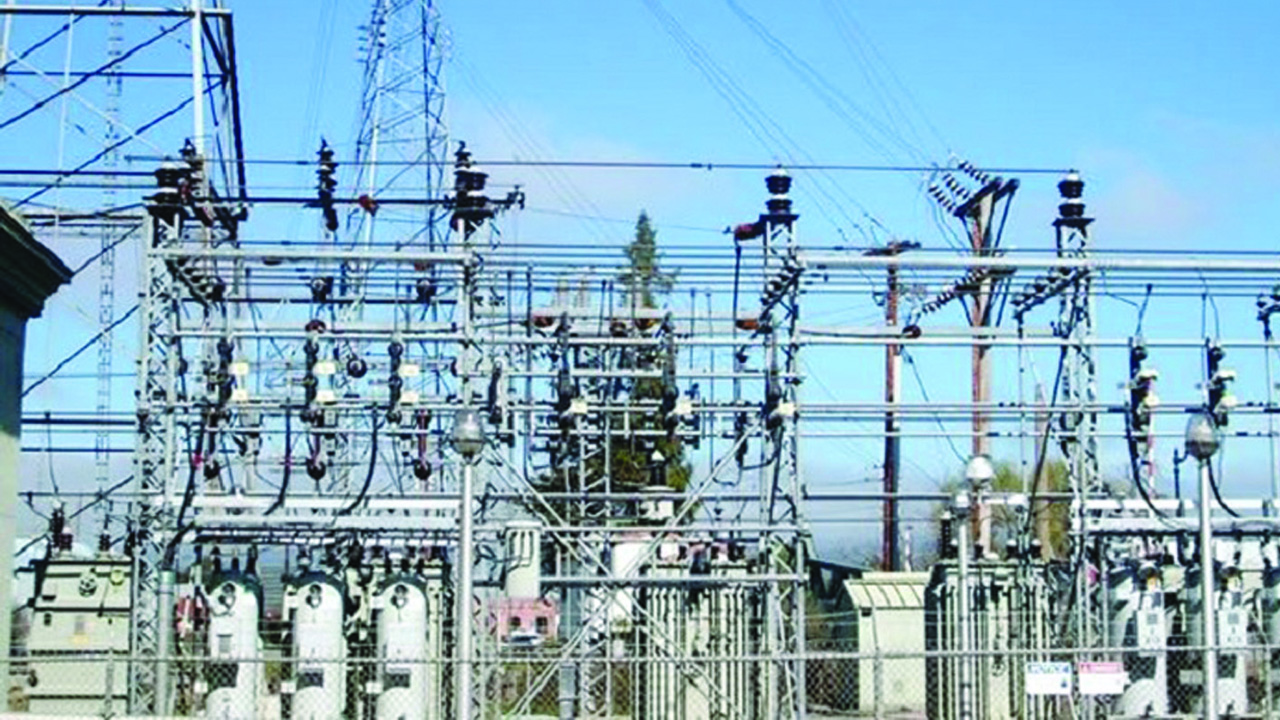

The Federal Government has announced plans to discontinue the practice of bearing electricity subsidy costs alone, unveiling a framework that will distribute the burden among federal, state, and local governments beginning in 2026.
The Director-General of the Budget Office of the Federation, Tanimu Yakubu, disclosed this on Monday in Abuja during a capacity-building workshop for ministries, departments and agencies on the 2026 post-budget preparation process under the Government Integrated Financial Management Information System.
Yakubu said President Bola Tinubu had directed that electricity subsidies be fully disclosed, tracked and jointly funded across all tiers of government, warning that the existing approach has created hidden fiscal pressures and recurring liquidity problems in the power sector.
According to him, keeping electricity tariffs below cost automatically creates a funding gap that must be recognised as a subsidy rather than absorbed quietly by the Federal Government.
From 2026, he said, electricity subsidies would no longer be treated as an open-ended federal obligation, particularly where policy decisions and political benefits are shared by subnational governments.
The President, Yakubu noted, has instructed that existing electricity sector laws be applied to ensure subsidy-sharing arrangements are transparent, practical and enforceable. Under the framework, any affordability intervention adopted by a tier of government must come with clearly defined and funded responsibilities to prevent arrears and market distortions.
He stressed that the policy is not intended as a sanction but as a mechanism to align incentives and promote efficiency across the power sector. According to him, shared financial responsibility would encourage cost-reflective pricing, targeted support for vulnerable consumers and a more sustainable electricity market.
Yakubu also urged MDAs to clearly reflect subsidy-related costs in their 2026 budget submissions and avoid transferring unfunded liabilities into the power value chain.
Beyond electricity subsidies, the Budget Office chief said the 2026 Budget represents a departure from rollover budgeting and fragmented project lists, which he said had weakened execution and accountability in previous years.
He explained that the new budget framework consolidates government commitments into a single, coordinated delivery pipeline designed to improve prioritisation, reduce duplication and strengthen oversight.
Yakubu further revealed that the administration has directed a review of Nigeria’s Fiscal Responsibility framework to make fiscal rules more dynamic and enforceable. The review, he said, will introduce clearer fiscal anchors, defined escape clauses for shocks, and stronger reporting on contingent liabilities.
He added that the 2026 Budget will prioritise delivery-ready projects with clear financing plans, measurable outcomes and realistic timelines, noting that fewer but well-funded projects would generate greater impact.