
The United States has been flying surveillance aircraft over large areas of Nigerian territory since late November, in what analysts say is a sign of closer security cooperation between Washington and Abuja following a series of public warnings by US President Donald Trump. The flights, reported by Reuters and confirmed by aviation tracking data and officials familiar with the missions, mark a significant escalation in intelligence-gathering activity in West Africa.
The aircraft conducting the missions are operated by Tenax Aerospace, a Mississippi-based contractor that works with the US military, according to flight tracking records. These planes typically take off from bases in Ghana, fly over Nigerian airspace, and return to Accra, the Ghanaian capital. The missions have been almost daily since they began, though the exact goals of the flights have not been publicly disclosed.
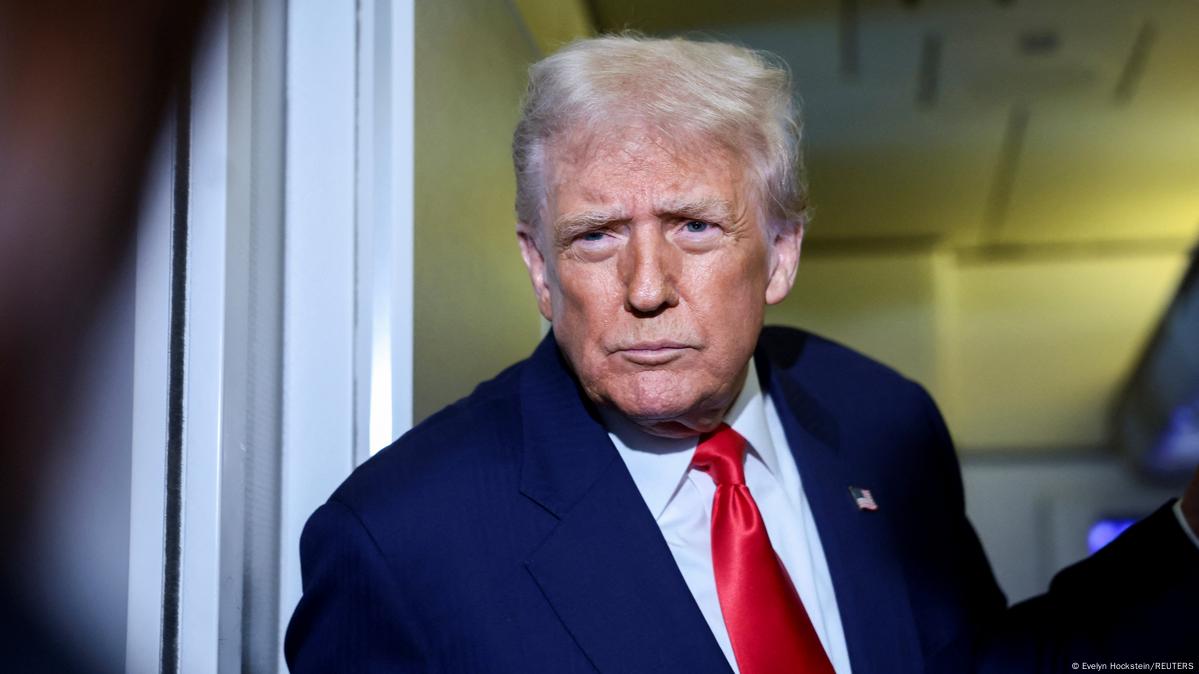
The heightened activity comes after Mr Trump publicly threatened military intervention in Nigeria, accusing the government of failing to curb violence against Christian communities. Although the Nigerian government has rejected the suggestion that it has failed in its duty to protect any particular group, the warnings appear to have paved the way for stepped-up US involvement.
Liam Karr, Africa team lead at the American Enterprise Institute’s Critical Threats Project, analysed the flight data and told Reuters that the presence of the aircraft in Ghana is one of the first clear signs that the US is restoring its intelligence presence in the region. This follows the withdrawal of US forces from Niger in recent months, after that country asked American troops to leave and instead turned to Russia for security assistance.
“We’ve seen a resumption of intelligence and surveillance flights in Nigeria,” Karr said. Such missions are designed to gather data on militant groups, track regional threats and support wider strategic objectives.
US officials have confirmed the flights but declined to detail their scope, citing diplomatic sensitivity. A Pentagon statement said that Washington had held “productive meetings” with Nigerian counterparts after Mr Trump’s message, but would not comment on intelligence activities. Nigeria’s military spokesperson did not respond to requests for comment, and Ghana’s deputy defence minister also declined to speak on the matter.
One of the factors driving the surveillance appears to be the ongoing threat posed by armed groups in the region, including Boko Haram and the Islamic State West Africa Province (ISWAP), which have carried out frequent attacks across northern and central Nigeria. The missions are also thought to support efforts to locate an American pilot kidnapped in neighbouring Niger earlier this year.
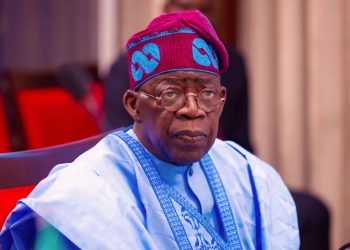
President Bola Tinubu declared a security emergency in Nigeria in recent weeks, responding to increased violence, kidnappings and attacks on civilians. His government has ordered fresh recruitment into the police and armed forces in an effort to stem the growing insecurity, which has had both human and economic costs.
Economists say that sustained violence and insecurity have deep economic implications for Nigeria. Persistent instability deters foreign investment, raises the cost of doing business and undermines economic growth. Security risks can disrupt trade, affect tourism and reduce investor confidence, which in turn can slow job creation and hinder development. Nigeria, Africa’s largest economy, has been striving to attract foreign capital and diversify beyond oil, but insecurity remains one of the main barriers to achieving these goals. Analysts note that cooperative security efforts with international partners, including the US, may be part of broader strategies to reassure investors and stabilise key economic sectors. (Context based on general analysis of security’s economic impact)
The surveillance missions also reflect shifting geopolitical dynamics in West Africa. With the departure of US forces from Niger, Washington appears keen to maintain a foothold in the region through intelligence and security cooperation with friendly governments. Some analysts suggest that these flights could be a step towards more formal partnerships, especially on counter-terrorism.
The situation is complex, involving not only traditional security threats but also diplomatic sensitivities. Mr Trump has placed Nigeria on a US list of countries of concern over religious freedom and imposed partial travel restrictions as part of his broader foreign policy approach. The surveillance flights, while technically routine from a military standpoint, have taken on greater significance against this backdrop.
As the missions continue, both governments are likely to navigate a careful balance between cooperation and sovereignty. Nigeria’s leadership must reassure its citizens that foreign activity respects national airspace, while Washington seeks to protect its interests and citizens in a volatile region. The unfolding developments demonstrate how security, diplomacy and economics intersect in the strategic relationships between nations.