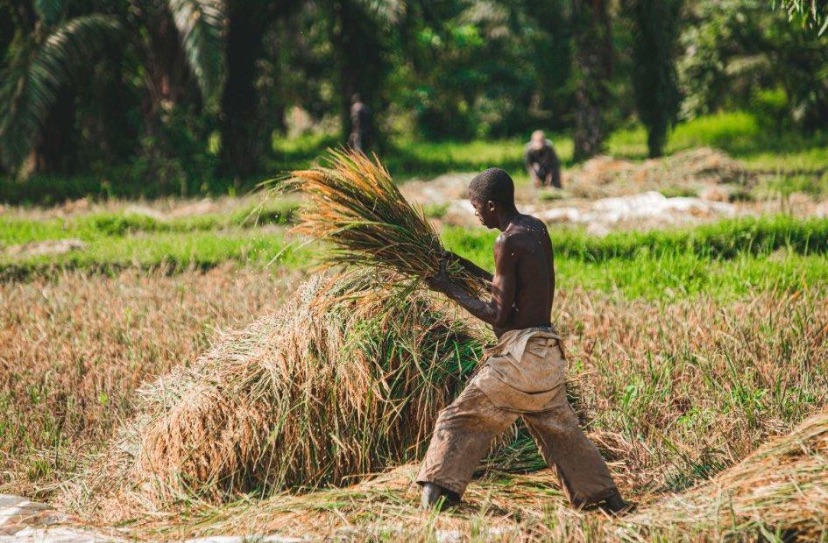

Rice farming continues to stand out as one of the most rewarding agricultural businesses in Nigeria, despite rising production costs and changing economic conditions. With millions of Nigerians consuming rice every day, the demand for the staple food remains strong, creating steady income opportunities for farmers, processors, and traders.
As Nigeria works to improve local food production and reduce dependence on imported rice, more entrepreneurs are turning to rice cultivation as a long-term investment. Industry experts believe the sector still offers attractive returns for those who adopt modern farming techniques and manage their operations efficiently.
One of the biggest reasons rice farming remains profitable is the country’s growing population. Every year, the number of consumers increases, leading to higher demand for locally produced rice. Even when market prices fluctuate, rice remains one of the most purchased food items in homes, restaurants, hotels, and food processing businesses.
Government efforts to encourage local agriculture have also helped improve the industry’s outlook. Investments in irrigation, improved seedlings, mechanized farming, and farmer support programmes have made it easier for producers to increase yields and reduce post-harvest losses. Although challenges remain, these initiatives have encouraged more people to venture into rice production.
Another factor supporting profitability is the increasing preference for locally processed rice. Over the past few years, many Nigerian rice mills have invested in better processing equipment, producing cleaner and higher-quality rice that competes more effectively with imported brands. This has improved consumer confidence and expanded the market for local producers.
Rice farming also creates several streams of income beyond selling raw paddy. Farmers can earn additional revenue through rice processing, packaging, distribution, and the sale of by-products such as rice bran and husks. These by-products are widely used in livestock feed, organic fertilizer production, and energy generation, adding extra value to the business.
Technology is also changing the way rice farming is done. Many farmers now use drones, mobile applications, improved irrigation systems, and modern harvesting equipment to monitor crops and improve productivity. Better farming practices help reduce waste while increasing harvest volumes, making the business more profitable over time.
Despite its opportunities, rice farming is not without challenges. Rising fertilizer prices, climate change, flooding, insecurity in some farming communities, and limited access to affordable financing continue to affect production. Poor road infrastructure and storage facilities also contribute to post-harvest losses that reduce farmers’ profits.
Agricultural experts say these challenges can be managed through proper planning, crop insurance, improved storage methods, and the adoption of climate-smart farming practices. They also encourage farmers to join cooperatives, which provide easier access to loans, farming inputs, and larger markets.
Financial institutions and agribusiness investors are increasingly showing interest in Nigeria’s rice value chain. As food security becomes a national priority, investment in commercial farming, processing facilities, and logistics is expected to increase. This could create more jobs while strengthening local rice production.
For young entrepreneurs, rice farming is becoming more attractive because it offers opportunities across the entire value chain. Beyond cultivating rice, businesses can focus on seed production, farm equipment leasing, transportation, packaging, branding, wholesale distribution, and export opportunities in the future.
Analysts believe Nigeria’s rice industry still has significant room for expansion. As consumer demand continues to rise and production methods improve, efficient farmers and agribusiness operators are likely to enjoy healthy returns on their investments.
Although success requires capital, patience, and good farm management, rice farming remains one of Nigeria’s strongest agricultural businesses. With the right strategy, improved technology, and better market access, the sector is expected to remain profitable for many years.