
The House of Representatives has ordered a full investigation into the controversial $460 million Chinese loan secured under former President Goodluck Jonathan’s administration for the installation of Closed-Circuit Television (CCTV) cameras across Abuja—a project that remains incomplete more than a decade later despite ongoing debt servicing.
In 2010, Nigeria signed a $460 million loan agreement with the China EXIM Bank as part of a $600 million soft credit facility to boost national security through a citywide CCTV surveillance network in the Federal Capital Territory (FCT).
The contract was awarded to Chinese tech firm ZTE Communications following a Memorandum of Understanding signed in Beijing by then Minister of Finance, Olusegun Aganga. The loan was structured with a 10-year grace period and a 10-year repayment window.
Lawmakers Question Unfinished Surveillance Project Amid Rising Insecurity
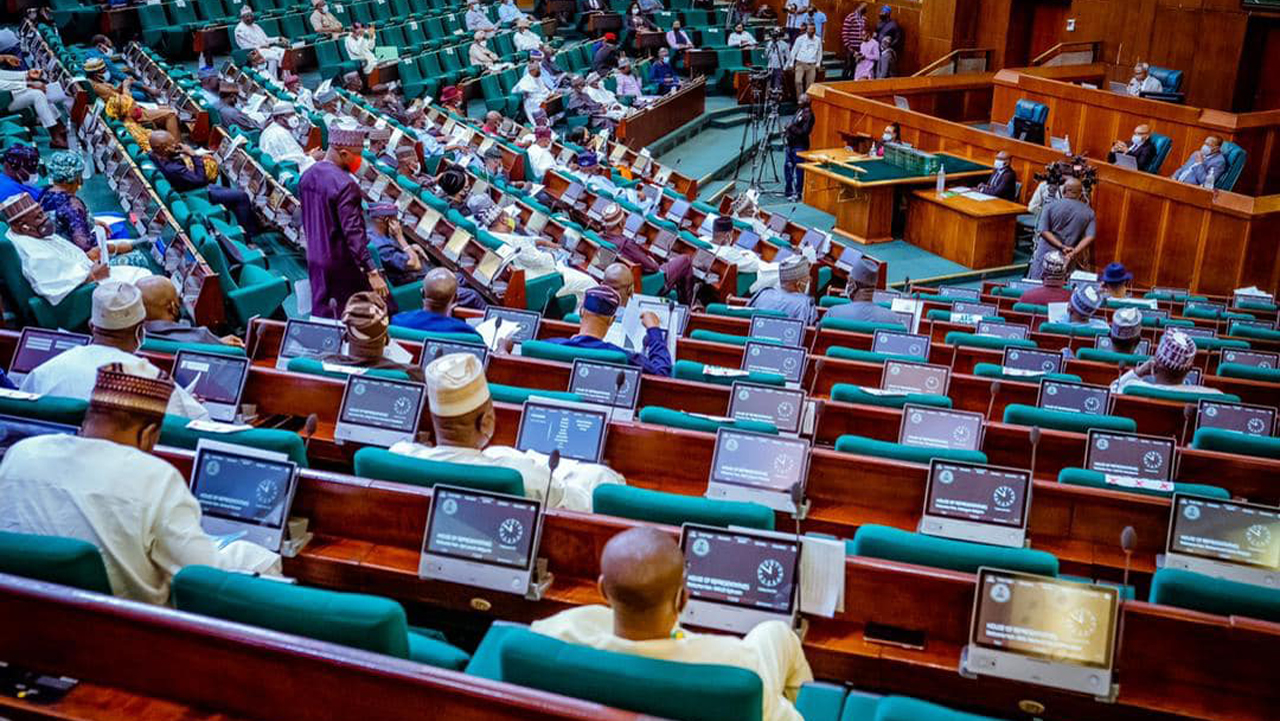
The resolution to probe the deal followed a motion of urgent public importance sponsored by Amobi Ogah, representing Isuikwuato/Umunneochi Federal Constituency of Abia State, during plenary on Wednesday.
Ogah noted that despite the magnitude of funds committed to the project, there has been “no visible impact on public safety,” as Abuja continues to experience a surge in violent crimes and insecurity.
“The administration of former President Goodluck Jonathan, acting in good conscience, sought to tackle insecurity in the Federal Capital Territory through the installation of CCTV cameras,” Ogah said. “Yet, despite the heavy investment and continuous servicing of the loan, there is no evidence of functionality. Instead, insecurity in Abuja has worsened, with rising incidents of violent crimes and loss of lives.”
He described the situation as a “lose-lose nightmare” for the country, pointing out that Nigeria continues to repay a loan for a non-functional project executed by the same foreign contractor from which the funds originated.
The House adopted the motion and directed its relevant committees to investigate how the loan was utilised, assess the current status of the CCTV infrastructure, and identify any breaches in contract execution.