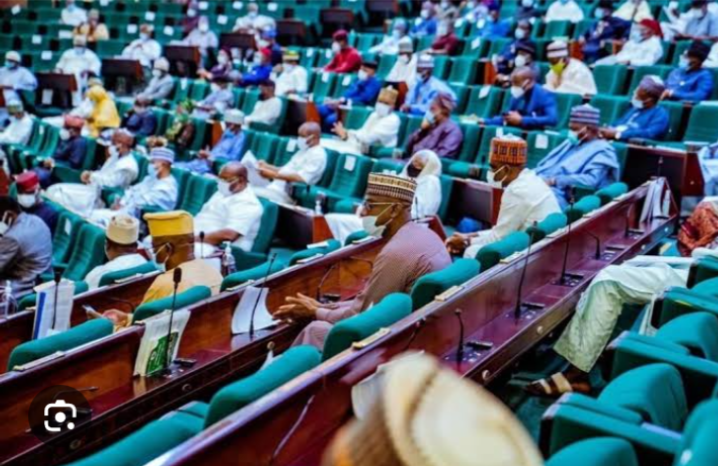

Nigeria’s House of Representatives is considering a fresh law aimed at safeguarding local refineries by giving them first right to crude oil supply. The proposed “Refinery Protection and Promotion Bill” would designate refineries as strategic national assets and ensure they have unfettered access to crude feedstock.
Ikenga Ugochinyere, chairman of the House Committee on Petroleum Resources (Downstream), revealed the legislative push during the Annual Downstream Week Summit 2025 in Abuja. According to him, the law would streamline regulations, cut red tape, and protect refinery operations from avoidable disruptions.
The backdrop for this move includes existing reforms like the Domestic Crude Oil Supply Obligation (DCSO) enforced by the Nigerian Upstream Petroleum Regulatory Commission (NUPRC). That policy mandates that domestic refineries, both modular and conventional, must be supplied crude before any export allocations.
However, local refineries continue to wrestle with feedstock shortages, pricing uncertainty, and overlapping regulatory requirements.
Proponents argue that stronger legislative backing will attract investment, promote job creation, and reduce dependence on imported petroleum products. Ugochinyere stressed that advancing the country’s refining sector aligns with Nigeria’s broader goals for energy independence and economic stability.
He also urged harmony and dialogue in resolving past conflicts involving Dangote Refinery, labour unions, and other industry operators. According to Ugochinyere, reforms will only succeed if industry stakeholders commit to compliance and shared national objectives.
Highlighting achievements across Nigeria’s refining industry, he pointed to significant investments in 2024, growth in analytics across the energy chain, the expansion of Waltersmith Modular Refinery (from 5,000 to 50,000 barrels per day), and the efforts of other refineries like OPAC in Delta State.
If passed, the bill could strengthen Nigeria’s refining capacity, protect the sector from external pressure, and make domestic production more reliable and competitive.