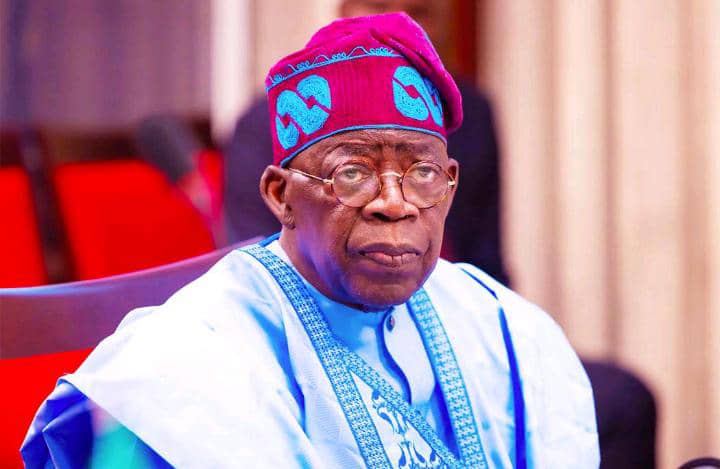

President Bola Tinubu has formally asked the Senate of the Federal Republic of Nigeria to approve a new domestic borrowing of ₦1.15 trillion, proposed to fill the shortfall in the 2025 federal budget. The request was conveyed in a letter read during a Senate plenary session by the Senate President, Godswill Akpabio.
According to the letter, the proceeds of this borrowing will be used to ensure the full implementation of government programmes and projects, as outlined in the 2025 fiscal plan. The borrowing request has been referred to the Senate Committee on Local and Foreign Debt, chaired by Aliyu Wammako (APC, Sokoto North), for review and recommendation. The committee has been given a short timeframe to submit its report back to plenary.
While the request is domestic in nature, it comes amid broader borrowing efforts by the federal government and persistent revenue pressures. The administration argues that the loan is necessary to avoid disruption in project delivery and to maintain momentum in national development. Critics warn that increased borrowing may create higher debt servicing burdens and crowd out other forms of financing.
The timing is significant: the government faces a widening budget deficit and limited options for revenue generation. Mobilising domestic borrowing is presented as a stop-gap measure to sustain operations, yet it also underscores the structural challenge of dependence on external sources or non-debt financing. The Senate’s scrutiny will focus on the terms, purpose, and potential impact of the proposed loan on Nigeria’s public debt trajectory.
By opting for a fresh ₦1.15 trillion domestic borrowing, the Tinubu administration is tapping internal credit markets to fund its fiscal shortfall, a move that threatens to push up interest rates, absorb liquidity away from the private sector, and raise Nigeria’s public debt servicing obligations, unless matched with stronger revenue mobilisation and growth-enhancing reforms.