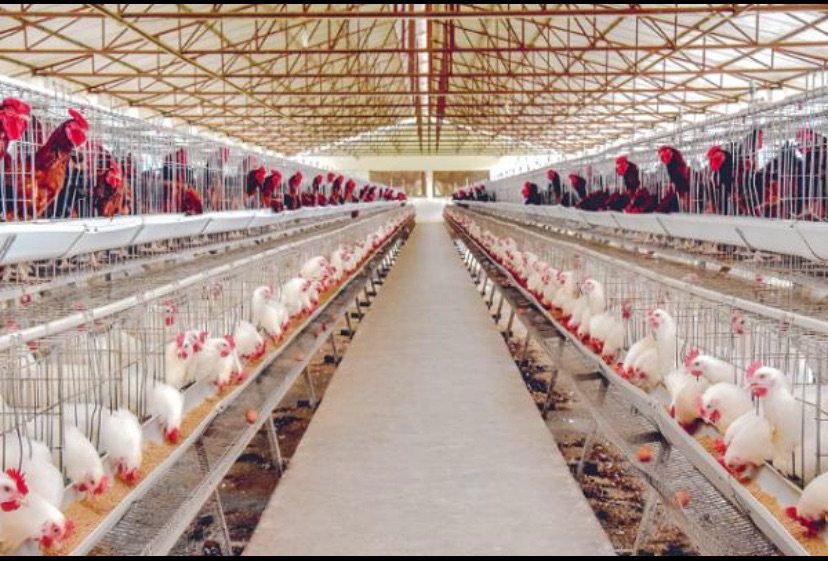

Nigeria’s poultry industry is becoming an increasingly attractive business opportunity as demand for chicken, eggs and other poultry products continues to grow.
For many entrepreneurs, poultry farming is no longer simply a small-scale agricultural activity. It has developed into a business with opportunities across production, processing, distribution and retail.
One of the biggest advantages of poultry farming is the steady demand for eggs. Eggs are consumed by households, restaurants, bakeries, hotels and food businesses, creating a broad market for farmers. Unlike some agricultural products that have seasonal demand, eggs can be sold throughout the year.
Chicken meat also offers another major opportunity. As Nigeria’s population grows and consumers look for affordable sources of protein, poultry meat remains an important part of the food market. Entrepreneurs can raise birds specifically for meat and sell them to households, restaurants, caterers, supermarkets and food vendors.
Different Ways to Make Money From Poultry
Poultry farming offers several entry points for entrepreneurs.
A farmer can start with broiler production, where chickens are raised mainly for meat. Broilers grow relatively quickly, allowing farmers to complete several production cycles within a year when properly managed.
Another option is layer farming, which focuses on egg production. Although layers require a longer period before they begin producing eggs, a well-managed flock can provide farmers with regular income from daily egg sales.
There is also an opportunity in poultry breeding and the sale of chicks. Farmers with the necessary knowledge and facilities can produce day-old chicks or young birds for other farmers.
Feed production is another area with business potential. Since feed represents one of the major expenses in poultry farming, entrepreneurs who can produce quality and affordable poultry feed can serve farmers within their communities.
Poultry Waste Can Also Become Income
Poultry farming can generate revenue beyond chicken and eggs.
Poultry manure can be sold to crop farmers as organic fertiliser. This creates an additional income stream while helping farmers manage waste from their poultry houses.
Processed poultry products can also offer opportunities for entrepreneurs. Instead of selling only live birds, businesses can explore cleaned, packaged and frozen chicken products, depending on applicable regulations and available cold-chain facilities.
Challenges Entrepreneurs Must Understand
Despite its opportunities, poultry farming is not a business that should be entered without preparation.
Feed costs, disease outbreaks, poor management, unstable electricity, water requirements, transportation expenses and market price fluctuations can affect profitability.
Farmers also need proper housing, good hygiene, vaccination programmes, reliable sources of quality chicks and access to veterinary support.
For new entrepreneurs, starting on a manageable scale can make it easier to understand the business before expanding.
A Business With Room to Grow
The real opportunity in poultry farming is not limited to keeping chickens. It extends across the entire value chain, from feed and breeding to farming, egg collection, processing, transportation and retail.
With proper planning, good farm management and a reliable market, poultry farming can become a sustainable source of income and create employment for others.
As demand for affordable food continues to increase, entrepreneurs who approach poultry farming as a structured business rather than simply a farm activity could find significant opportunities in Nigeria’s growing agribusiness sector.