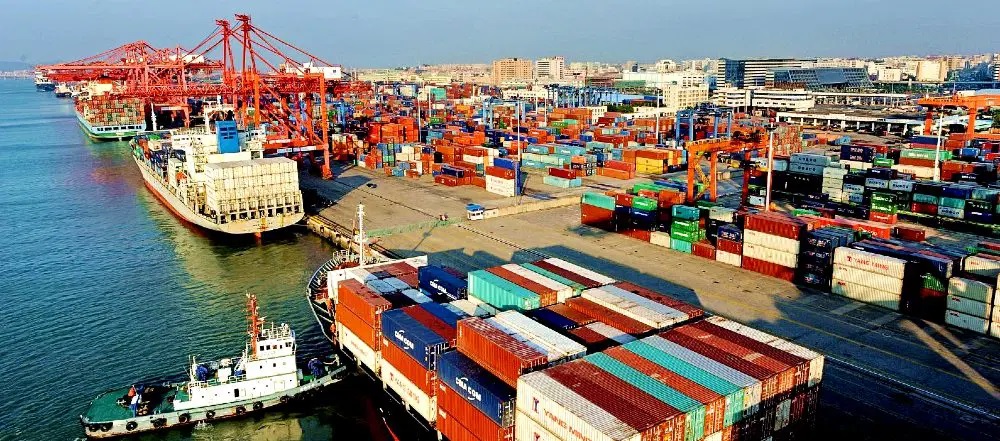

Property prices and rents are rising in parts of Nigeria’s South-South as investors anticipate stronger maritime and logistics activity linked to ongoing port modernisation, with industry players warning that the emerging property boom could increase pressure on local residents.
In a report published on Sunday, September 6, 2026, Nairametrics reported that premium industrial warehouse rents around the Onne Port Complex and Trans-Woji corridor in Rivers State had increased by between 45% and 65% year-on-year. The publication attributed the figures to Moses Dressman, a Port Harcourt-based real estate agent, who said the increase reflected expectations of stronger logistics activity around the port.
The property activity comes amid the Federal Government’s wider Port Modernisation Programme, which is designed to upgrade ageing infrastructure, improve cargo-handling capacity and increase efficiency at Nigerian ports.
In an interview published by The Guardian on Wednesday, August 5, 2026, Nigerian Ports Authority (NPA) Managing Director Abubakar Dantsoho said physical construction under the modernisation programme would commence before the end of the third quarter of 2026. He said major physical infrastructure and equipment upgrades were expected to begin from the fourth quarter of 2026.
Dantsoho also told The Guardian that the programme, when fully implemented, was projected to reduce vessel turnaround times by up to 50%. He said the NPA was engaging extensively with host communities ahead of construction.
The property rush is not limited to warehouses.
Also in its September 6, 2026 report, Nairametrics quoted Port Harcourt property developer Rufus Wilson as saying investor attention was increasingly shifting towards dry docks, logistics hubs and industrial storage because of expectations of higher port activity.
Nairametrics also quoted property asset manager Tamarau-miensine Peterson as saying that storage facilities for dry consumer goods accounted for more than 90% of newly leased industrial assets in the region.
But the expected investment boom is also putting pressure on housing.
Chief Anslem Atuma, a community leader quoted by Nairametrics on September 6, 2026, said rents in some local communities had increased by more than 100%. He argued that host communities should receive more direct economic benefits from investments around them instead of depending mainly on conventional corporate social responsibility programmes.
The developments come as the NPA continues efforts to strengthen Nigeria’s eastern ports.
In a statement issued on Monday, May 11, 2026, the NPA reported that ocean-going vessel Gross Registered Tonnage increased by 19.5% to 46.75 million in the first quarter of 2026, while total cargo throughput rose by 11.6% to 32.38 million metric tonnes.
According to the NPA’s May 11 statement, the $1 billion overhaul contract for Lagos Port Complex and Tin Can Island Port was underway. The statement also said Minister of Marine and Blue Economy Adegboyega Oyetola confirmed that procurement processes were ongoing for upgrades at Warri, Port Harcourt, Onne and Calabar ports.
The NPA said on May 11, 2026 that the broader port reforms under President Bola Tinubu’s administration were focused on infrastructure upgrades, digitalisation and restructuring aimed at positioning Nigeria as a leading maritime hub.
There was already evidence of stronger activity at Onne before the latest property surge.
In figures released by the NPA on Wednesday, June 18, 2025, cargo throughput at Onne Port increased by 9.4% in 2024. NPA data for 2025 also placed Onne as Nigeria’s second-largest port by cargo throughput, behind Lekki Port.
The latest property movement therefore represents more than a real-estate story.
The figures suggest that expectations surrounding infrastructure investment are already influencing land and industrial property values around strategic economic corridors. But they also raise a difficult question for government and investors: how much of the new economic activity will reach the communities living beside the ports driving the anticipated boom?
For now, the property market appears to be responding largely to expectations rather than completed infrastructure. Whether those expectations translate into sustained economic growth will depend on the delivery of the port upgrades, improved logistics connections and meaningful engagement with host communities.