
The Petroleum Products Retail Outlets Owners Association of Nigeria (PETROAN) has called on petroleum refiners, depot owners, and fuel importers across the country to lower their product prices following the recent decline in global crude oil prices.
According to PETROAN, the reduction in international oil prices presents a good opportunity for operators in Nigeria’s downstream petroleum sector to pass the benefits on to consumers through lower fuel prices.
The association’s National President, Billy Gillis-Harry, made the appeal in a statement released on Friday through PETROAN’s National Public Relations Officer, Dr. Joseph Obele. He stressed that both ex-depot prices and pump prices should reflect current market conditions to provide relief to Nigerians facing economic challenges.
Gillis-Harry noted that the recent easing of tensions between the United States and Iran has contributed to a decline in global crude oil prices. He explained that the ceasefire agreement between the two countries has reduced fears of disruptions to oil supply, particularly through the Strait of Hormuz, one of the world’s most important oil shipping routes.
As a result, Brent crude oil prices have reportedly dropped to around $77–$78 per barrel. Market analysts also expect prices to remain relatively stable in the coming days, with Brent crude likely trading between $75 and $82 per barrel, while West Texas Intermediate crude could range between $72 and $79 per barrel.
PETROAN stated that several factors are responsible for the downward trend in oil prices. These include the continued implementation of the US-Iran peace agreement, increasing crude oil exports from the Middle East, and concerns about weaker global demand for oil.
The association believes that if crude oil prices continue to fall, fuel prices in Nigeria should also decline accordingly. Gillis-Harry emphasized that consumers deserve to benefit from any reduction in the cost of crude oil, which remains a major factor in fuel pricing.
He also expressed concern about the current pricing situation in Nigeria’s petroleum market. According to him, there are cases where the landing cost of imported petroleum products appears to be lower than the prices offered by some domestic refiners.
Gillis-Harry described this development as surprising and argued that it highlights the need for stronger competition within the downstream petroleum sector. He maintained that a competitive market would encourage efficiency, reduce costs, and provide consumers with more affordable fuel options.
To achieve this, PETROAN urged the Nigerian Midstream and Downstream Petroleum Regulatory Authority (NMDPRA) to continue issuing import licences to qualified marketers. The association believes that increased participation by different suppliers will help prevent monopolistic practices, ensure adequate product availability, and keep prices competitive.
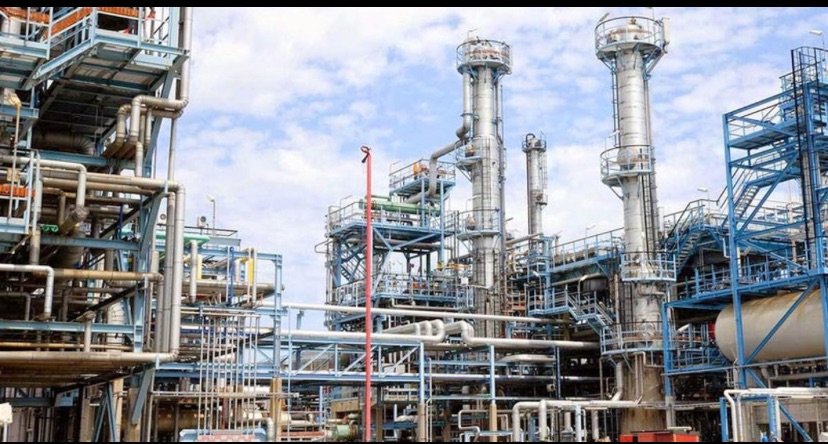
Furthermore, PETROAN called on the Group Chief Executive Officer of NNPC Limited, Bayo Ojulari, to support discussions with two Chinese companies interested in operating the Port Harcourt and Warri refineries.
The association stated that reviving these refineries under efficient private-sector management could significantly boost domestic refining capacity, improve fuel supply, and contribute to lower petrol prices nationwide.
PETROAN concluded that stable exchange rates, moderate crude oil prices, and efficient refinery operations could create the right conditions for cheaper fuel. The association reaffirmed its commitment to promoting a transparent, competitive, and consumer-friendly petroleum market that supports economic growth while ensuring fair pricing and energy security for Nigerians.