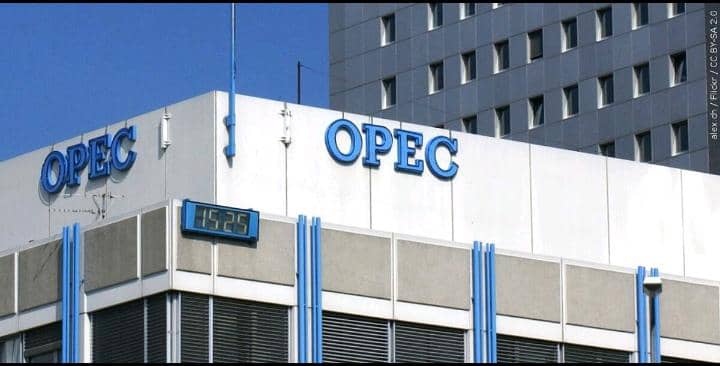

The oil-producing alliance known as OPEC+ has decided to halt further production increases for the first quarter of 2026, following a modest rise scheduled for December. During a virtual meeting with eight core members, including Saudi Arabia, Russia, Iraq, United Arab Emirates, Kuwait, Kazakhstan, Algeria and Oman, they confirmed that they will implement a production boost of 137,000 barrels per day in December (mirroring increases in October and November).
After December, the group will pause additional output hikes in January, February and March 2026. The motivation, according to their statement, is the typical seasonal demand slowdown early in the year and the desire to avoid adding supply into a market full of uncertainty.
They further emphasised that the previously announced extra voluntary production adjustments of 1.65 million bpd may be returned in part or in full, subject to evolving market conditions and in a gradual manner. Throughout 2025, OPEC+ pointed to healthy market fundamentals and low global oil inventories as rationale behind its measured output changes.
In effect, the alliance is largely saying: we’ll expand supply modestly this December, then take a moment to monitor how demand develops and what stock levels look like before moving again. This cautious strategy reflects both a recognition of seasonal weakness and the challenge of balancing supply in a changing global energy landscape.
This move by OPEC+ could influence global oil-prices and government revenues. By pausing supply increases, the alliance may support crude prices, which in turn can ease budget-pressures for oil-exporting nations and affect inflation for importing economies. Stabilised oil-revenues also matter for fiscal planning in energy-dependent markets.