
Global oil prices dropped significantly on Tuesday after reports suggested that Iran and the United States could be moving closer to a diplomatic agreement. The news boosted confidence among investors and traders, leading to a sharp decline in crude oil prices across international markets.
According to reports, Brent crude, the global benchmark for oil prices, fell by more than three percent during trading and moved closer to the $91 per barrel level. Meanwhile, West Texas Intermediate (WTI), the main U.S. oil benchmark, declined by nearly four percent.
The drop came after reports emerged that a draft peace agreement between Iran and the United States had been submitted for review in Washington. Sources familiar with the discussions described the proposal as “preliminarily acceptable,” raising hopes that tensions between the two countries could ease in the coming months.
For weeks, global oil prices had remained high due to concerns about instability in the Middle East. Investors feared that rising tensions could disrupt crude oil supplies from the region, which plays a major role in global energy production. As a result, traders had added a risk premium to oil prices, pushing them higher.
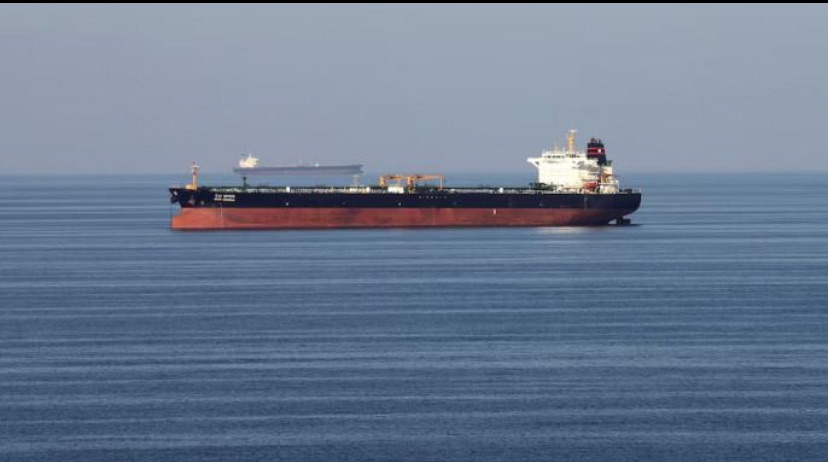
One of the major concerns has been the Strait of Hormuz, a critical shipping route through which about 20 percent of the world’s crude oil supply passes. Earlier disruptions and fears of further conflict in the region caused oil prices to surge above $120 per barrel in late February.
At the time, worries about possible supply shortages triggered panic buying in energy markets. Many countries and companies rushed to secure oil supplies, leading to a sharp increase in prices.
However, Tuesday’s market reaction showed a complete shift in sentiment. Traders are now focusing more on the possibility of improved diplomatic relations and reduced geopolitical risks. If negotiations continue positively, global oil supply routes could become more stable, reducing fears of major disruptions.
Despite the optimism, market analysts have warned that oil prices could remain highly volatile. They noted that the ongoing negotiations are still delicate, and any setback or breakdown in talks could quickly push prices higher again.
Energy experts explained that traders are responding rapidly to changes in geopolitical developments. As a result, oil prices are likely to continue fluctuating as new information emerges from the negotiations.
The impact of oil price movements is also being felt in Nigeria. Higher crude oil prices in recent months contributed to increased fuel costs and rising inflation across the country. While energy companies such as the Nigerian National Petroleum Company Limited (NNPCL) and the Dangote Refinery benefited from stronger revenues and export opportunities, ordinary Nigerians have faced higher transportation and living expenses.
If crude oil prices continue to decline, analysts believe fuel prices could eventually become more affordable. This could help reduce inflationary pressures and provide some relief for households and businesses struggling with rising costs.
For now, investors around the world will closely monitor developments between Iran and the United States, as the outcome of the talks could have a major influence on global energy markets in the months ahead.