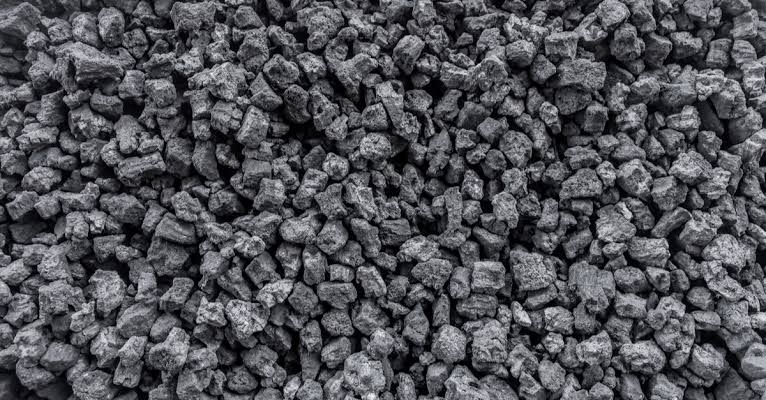

Nasarawa State’s Obi-Lafia coal field, estimated at 128.3 million tonnes by state authorities and up to 500 million tonnes in broader industry surveys spanning Benue, is licensed, but appears to be sitting largely untouched. Two firms hold rights to the deposit: Tongyi Global Solid Minerals Resources Limited, which holds an exploration licence covering coal, lead and zinc across Obi and Lafia, and Sansani Farms Limited, which holds a small-scale mining licence for coal in Lafia. Neither has shown significant extraction activity on record.
Tongyi’s own mineral resources manager has said the firm concluded, after exploration, that the deposit did not meet the threshold of economic significance and effectively shelved mining plans. Sources close to the site have separately cited unresolved land reclamation and resource-control disputes with host communities as a further deterrent to commencing operations, though the company disputes that characterisation.
More recent statements from the National Steel Raw Materials Exploration Agency suggest the deposit’s commercial status is still unsettled. The agency’s director-general said in July that Obi-Lafia coal exists in large quantity but requires further in-seam exploration to establish its commercial viability and to address ash-content impurities that limit its suitability for steel production. The agency has appealed to government for support to begin that exploration, language that points to a deposit still awaiting the technical groundwork needed before serious mining could follow.
There is no confirmed evidence of organised artisanal or informal extraction specifically at the Obi-Lafia site. That said, Nasarawa State has intensified enforcement against illegal mining elsewhere in the state this year, including arrests of foreign nationals and local artisanal miners in Kokona Local Government Area, and is separately working to formalise informal miners into registered cooperatives in areas such as Toto and Keana. Whether that formalisation drive extends to Obi-Lafia is not yet clear from available reporting.
Taken together, the picture is one of a resource well-documented on paper, surveyed, licensed, and repeatedly cited in state and federal mineral inventories, but without confirmed active operators on the ground. For a state branding itself the “Home of Solid Minerals,” Obi-Lafia remains a case study in the gap between licensing and extraction.