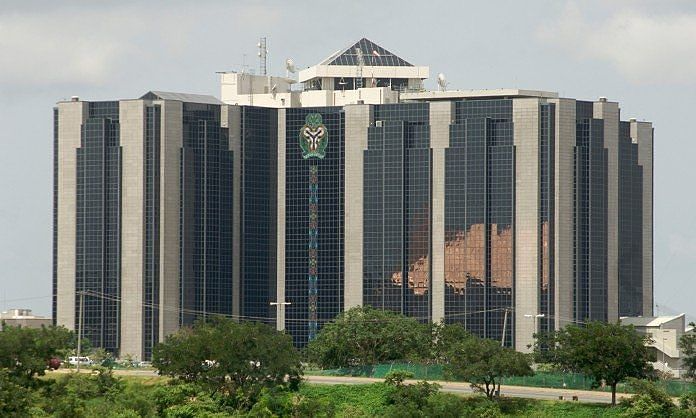

With just weeks to go before the Central Bank of Nigeria’s March 31 deadline for new capital requirements, 19 commercial banks have now met the regulator’s revised minimum capital standards, marking a significant step in the country’s banking reform drive.
The Central Bank of Nigeria (CBN) set tougher capital thresholds in a recapitalisation programme launched in March 2024. Under the revised rules, banks are required to increase their paid-up capital and share premium to new minimum levels by the end of March 2026. These new thresholds vary by licence type, with international commercial banks required to raise at least ₦500 billion, national banks ₦200 billion, and regional banks ₦50 billion.
Meeting the new requirements is intended to make the banking system more resilient, increase lending capacity to productive sectors of the economy, and enhance financial stability. As the countdown to the deadline enters its final phase, most of the country’s largest lenders have already crossed their respective capital hurdles.
Among the institutions that have achieved the required capital base are several tier-one lenders, including Access Bank, Zenith Bank, United Bank for Africa (UBA), and Guaranty Trust Bank, all of which have long been prominent players in Nigeria’s financial landscape. Additionally, recent reports show that First Bank of Nigeria has confirmed meeting the ₦500 billion requirement by combining a rights issue, a private placement and funds from strategic divestments.
Fidelity Bank has also reported completing its capital increase well ahead of the deadline. Through a private placement that raised between ₦250 billion and ₦270 billion, the bank pushed its qualifying capital comfortably over the ₦500 billion mark for international banks. This was done nearly three months before the March 31 cutoff, illustrating investor confidence in the bank’s prospects, despite challenges in the broader economy.
Industry analysts say the progress reflects a broader trend of proactive capital mobilisation across the sector. Banks have employed a range of strategies to meet requirements, including rights issues, public offers and private placements, as well as exploring partnerships or mergers where necessary.
However, not all banks have reached the threshold yet. Some smaller institutions are still working to shore up their capital positions and must accelerate fundraising efforts if they are to comply with the regulatory timetable. The CBN has indicated that it will continue to monitor compliance closely and may take action against those that fail to meet the standards in time.
Governor of the Central Bank, Olayemi Cardoso, has repeatedly emphasised that the recapitalisation programme is central to strengthening Nigeria’s financial system and preparing banks to support economic growth. He has also said that the regulator’s focus remains on an orderly and transparent completion of the process, ensuring that the sector emerges stronger and more capable of withstanding shocks.
As the March 31 date nears, the banking community and regulators appear determined to meet the target, with confidence growing that most of the sector will be fully compliant by the deadline.