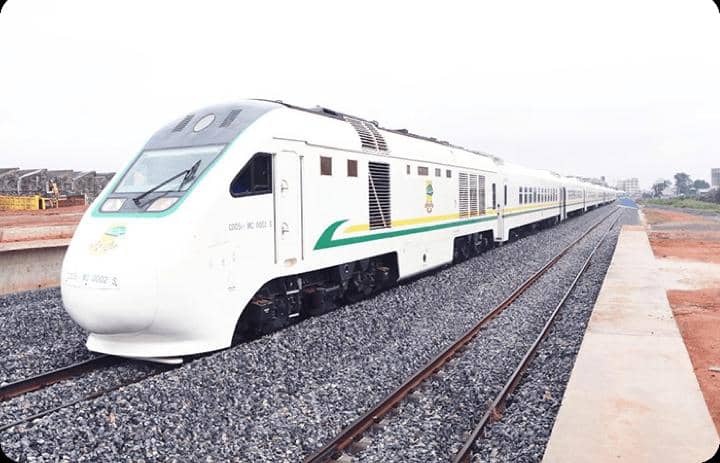

The Nigerian Railway Corporation (NRC) has unveiled an ambitious plan to gradually replace its diesel-hauled trains with electric-powered services within the next five years. The strategy, part of the rail agency’s broader development framework tagged “Vision 2-5-10-20,” sets out clear milestones: optimise the existing rail network in the first two years; transition to electric traction by year five; double the national rail capacity in ten years; and expand the network to at least 60,000 km within twenty years.
During the announcement at the Seventh National Transport Conference in Abuja, NRC Managing Director Dr. Kayode Opeifa laid out the roadmap. While speaking on the Corporation’s development projection framework, referred to as Vision 2-5-10-20, he stated that the NRC plans to optimise national rail assets within the first two years, transition to electric traction by the fifth year, double national rail capacity within ten years, and achieve not less than 60,000 kilometres of rail network nationwide within 20 years, the Corporation said in its statement.
At present, Nigeria’s only electric-powered rail line is the Lagos Blue Line, a 27-kilometre segment of the Lagos Rail Mass Transit system. Its initial 13-kilometre phase from Marina to Mile 2 began operations in September 2023, with a 14-kilometre extension towards Okokomaiko still under construction and slated for completion by 2026.
The upcoming National Railway Development Roadmap will give shape to this vision, offering rail connectivity across all 36 states and the Federal Capital Territory at no extra cost to states, following recent legislative changes that placed railway development on the concurrent list.
In addition to passenger services, the NRC is scaling up freight operations, transporting containerised cargo, cement, metal coils, raw materials tied to the AKK pipeline, and more. This dual focus on passengers and freight emphasises the role of a modern rail network in de-congesting roadways and supporting economic growth.
The shift to electric traction represents not just cleaner, more efficient train services, but also a stronger platform for industrial growth, regional integration and long-term economic competitiveness.