
Nigeria recorded a dramatic decline in petrol import spending during the first quarter of 2026, signaling a major shift in the country’s fuel supply chain as local refining capacity continues to expand.
According to data released by the National Bureau of Statistics (NBS), the country’s petrol import bill dropped to N87.40 billion in Q1 2026, compared to N3.54 trillion in the fourth quarter of 2025. This represents a massive 97.5 percent decline, with Nigeria spending about N3.45 trillion less on imported petrol within just one quarter.
On a year-on-year basis, the reduction was equally significant. Petrol imports fell from N2.27 trillion in Q1 2025 to N87.40 billion in Q1 2026, reflecting a decline of 96.2 percent, or approximately N2.18 trillion.
The sharp drop has significantly changed Nigeria’s import structure. Petrol, which was once among the country’s most imported products, accounted for only 0.64 percent of total imports in Q1 2026. This is a huge fall from 13.64 percent in Q1 2025 and 20.52 percent in Q4 2025.
As a result, petrol no longer ranks among Nigeria’s top ten imported products.
The decline comes amid a broader reduction in import spending. Nigeria’s total imports stood at N13.62 trillion in the first quarter of 2026, compared to N16.64 trillion during the same period in 2025, representing an 18.2 percent decrease.
Within the fuels and lubricants category, imports also dropped significantly. Total fuel-related imports declined from N6.10 trillion in Q1 2025 to N2.51 trillion in Q1 2026, a reduction of nearly 59 percent.
Processed fuels and lubricants, which include petrol, experienced the steepest decline. Their value fell from N4.91 trillionin Q1 2025 to N605.53 billion in Q1 2026, representing an 87.7 percent drop.
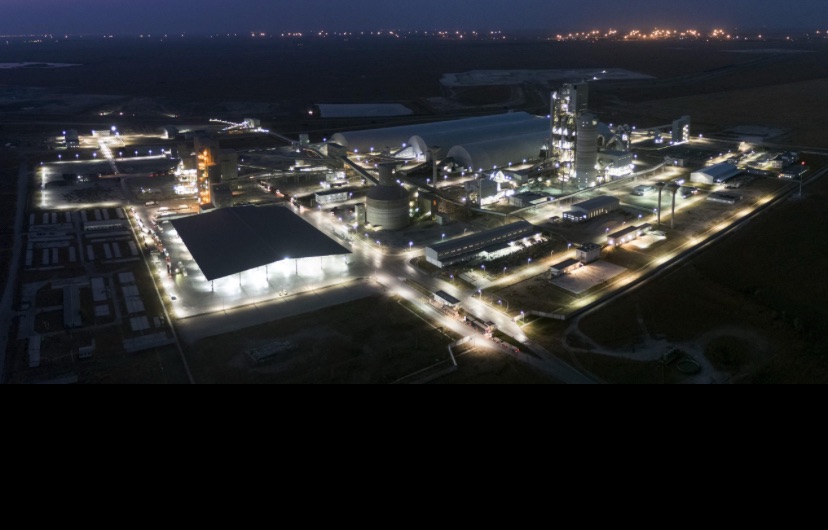
The major factor behind this trend is the growing contribution of domestic refineries, particularly the Dangote Petroleum Refinery, which has steadily increased production.
Data from the Nigerian Midstream and Downstream Petroleum Regulatory Authority (NMDPRA) showed that petrol imports fell to 965.52 million litres in Q1 2026 from 2.43 billion litres during the same period in 2025. This represents a 60.2 percent decline in imported fuel volumes.
Meanwhile, local refinery supply increased significantly. Domestic production rose from 1.996 billion litres in Q1 2025 to 3.179 billion litres in Q1 2026, an increase of 59.2 percent.
These figures indicate that local refineries supplied approximately 76.7 percent of Nigeria’s petrol needs during the first quarter of 2026, compared to 45.2 percent a year earlier.
A major contributor to this growth was the Dangote Refinery, which delivered an average of 40.1 million litres of petrol per day in January 2026. This marked a notable increase from the 32 million litres per day recorded in December 2025, highlighting the refinery’s expanding operational capacity.
For decades, Nigeria relied heavily on imported refined petroleum products despite being one of Africa’s largest crude oil producers. Limited refining capacity, ageing infrastructure, and frequent operational challenges forced the country to spend billions on fuel imports annually.
However, the expansion of local refining is beginning to reverse that trend. Analysts believe the development could help conserve foreign exchange, improve Nigeria’s trade balance, and strengthen the economy. Nevertheless, experts stress that long-term success will depend on consistent refinery operations, efficient distribution networks, transparent pricing systems, and supportive government policies.
The latest figures suggest that Nigeria is gradually moving toward greater energy self-sufficiency, with locally refined petrol increasingly replacing imported supplies.