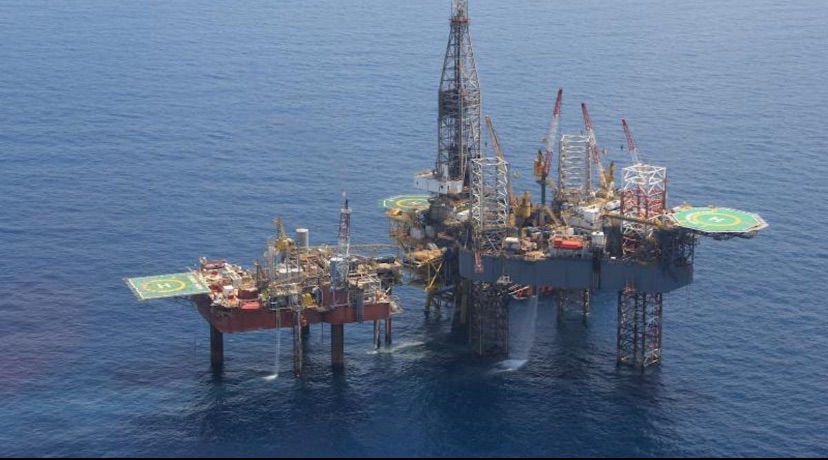

Nigeria’s plan to attract fresh investment into its deep offshore oil sector could unlock as much as $50 billion in investment and potentially increase crude oil production by about 1 million barrels per day.
However, industry experts say tax incentives alone may not be enough to bring the needed money into the sector.
Femi Oladein, Chief Executive Officer of Argentte Capital Partners, said Nigeria’s oil and gas industry is facing a major financing challenge. According to him, local banks have become increasingly limited in how much they can lend to the sector, while development finance institutions are also under pressure.
This means the traditional model of relying heavily on domestic financing and private investors may no longer be sufficient to drive the next phase of oil production growth.
The comments followed the Federal Government’s introduction of the Deep Offshore Oil and Gas Project Incentives (Tax Remission) Executive Order 2026, signed by President Bola Tinubu.
The Nigerian Upstream Petroleum Regulatory Commission has described the policy as a major opportunity to attract large-scale investment into Nigeria’s upstream industry.
Oladein welcomed the reforms but warned that Nigeria still has several hurdles to overcome before the expected investment becomes reality.
He said much of the targeted $50 billion would likely need to come from international oil companies because they have the financial strength and technical capacity to develop large offshore projects.
Nigeria has struggled with declining oil production for years due to underinvestment, ageing infrastructure, operational difficulties and crude theft. Current production is around 1.5 million barrels per day, while the government hopes to push output toward 2 million barrels per day before the end of the year.
Closing that gap will not be easy.
Oladein noted that oil projects generally require significant preparation before production begins. Developing reserves, completing technical work and building infrastructure can take two years or longer.
For this reason, existing oil companies operating in Nigeria could play the biggest role in boosting production in the short term. These companies already understand the country’s operating environment and can potentially move faster than new investors.
However, Nigeria will still need fresh capital from new players. Oladein pointed to investors from countries such as China and India as possible sources of additional funding.
He also stressed that global investors are looking for more than attractive tax policies. They want stable regulations, predictable government policies and confidence that their investments will generate returns over the long term.
Nigeria’s upcoming election could therefore become an important factor in investment decisions. Investors may remain cautious until they have greater clarity about the country’s political direction and whether current reforms will continue.
Oladein also questioned whether the benefits of petrol subsidy removal have reached ordinary Nigerians. He acknowledged that the government’s reported ₦15.8 trillion in savings between June 2023 and December 2025 was possible, considering the billions of dollars previously spent on subsidies.
However, he argued that rising living costs, inflation and taxes have made it difficult for many Nigerians to feel the benefits.
He further warned that Nigeria’s borrowing is only useful when the money is invested in areas that improve productivity, such as infrastructure and education.
For now, Nigeria’s offshore tax reforms offer an opportunity to attract global capital. But turning that opportunity into new investment and higher oil production will depend on policy stability, financing, faster project execution and improved confidence in the Nigerian oil industry.