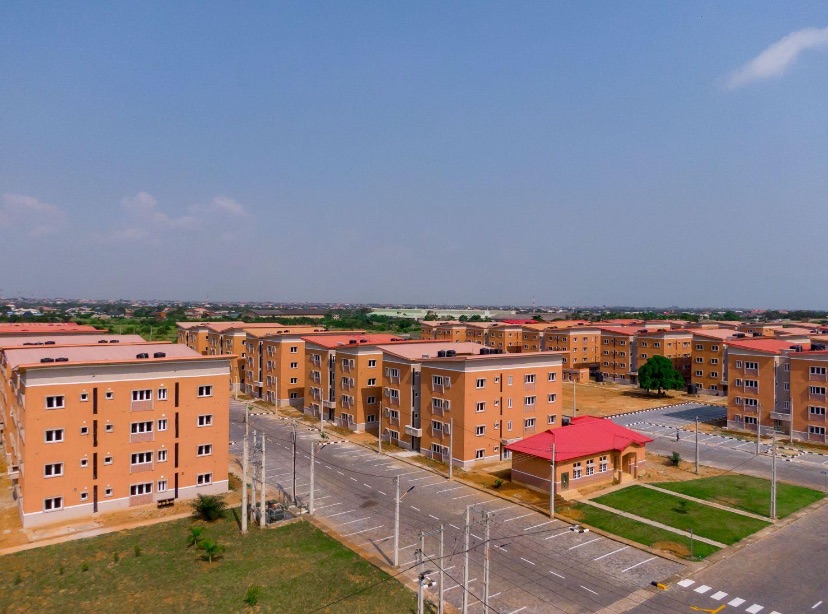

Nigeria’s real estate sector is attracting fresh attention as more individuals and businesses look for safer ways to grow their wealth. With rising inflation, changing economic conditions, and a growing population, property investment is becoming one of the preferred choices for long-term financial security.
Industry experts say demand is increasing across three major areas: affordable housing, commercial properties, and land investments. Each segment offers different opportunities for investors, depending on their financial goals and available capital.
Affordable housing has become one of the fastest-growing parts of the property market. Nigeria continues to face a housing shortage, with millions of families searching for decent homes at reasonable prices. As cities such as Lagos, Abuja, Ibadan, Port Harcourt, and Kano continue to expand, the need for low- and middle-income housing is also increasing.
Developers are responding by building estates with smaller, more affordable homes that appeal to young professionals, first-time homeowners, and growing families. Flexible payment plans are also encouraging more people to buy homes instead of renting for many years.
Experts believe that investments in affordable housing could continue to deliver steady returns because demand remains strong and is expected to grow alongside Nigeria’s urban population.
Commercial real estate is also showing positive signs. Office buildings, shopping complexes, warehouses, and business centres remain attractive to investors despite changes in the economy. While some businesses now require smaller office spaces due to hybrid work arrangements, demand for modern commercial buildings in strategic locations remains healthy.
Warehouses and logistics facilities have become especially important as e-commerce continues to expand across Nigeria. More online retailers and distribution companies are searching for secure storage facilities close to major cities, creating fresh opportunities for property developers and investors.
Land investment remains another popular choice because it usually requires less maintenance than developed properties. Many investors buy land in fast-growing communities with the expectation that its value will increase as roads, schools, hospitals, and other infrastructure projects are completed.
Areas located around expanding cities continue to attract buyers looking for long-term capital appreciation. Although land investments often require patience, many investors consider them a reliable way to build wealth over time.
However, property experts advise buyers to carry out proper checks before making any purchase. Verifying land ownership, confirming legal documents, and ensuring that a property has the necessary approvals can help investors avoid costly disputes.
Financial advisers also recommend investing according to one’s budget rather than relying heavily on borrowed funds. Careful planning allows investors to manage risks while benefiting from potential growth in property values.
Technology is also changing how people invest in real estate. Digital platforms now make it easier to search for verified properties, compare prices, and connect with trusted developers and real estate professionals. This has improved transparency and reduced some of the challenges traditionally associated with property transactions.
Despite economic uncertainties, analysts remain optimistic about the future of Nigeria’s real estate market. Rapid urbanisation, population growth, infrastructure development, and increasing demand for quality housing are expected to support the sector’s expansion.
For many Nigerians, real estate is no longer seen as an investment reserved for the wealthy. With careful research, proper documentation, and long-term planning, affordable housing, commercial properties, and land investments are creating new opportunities for individuals and businesses seeking stable returns in an evolving economy.