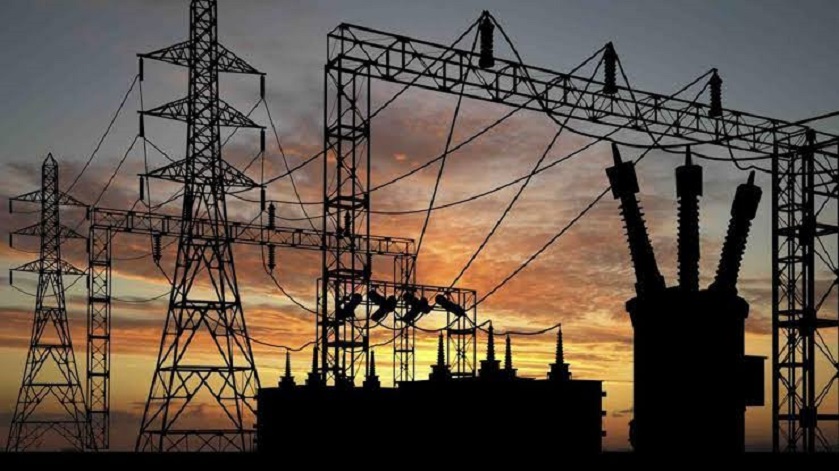

Nigeria’s perennially fragile power sector suffered another major setback on Tuesday, December 30, 2025, when the national electricity grid collapsed yet again, plunging the entire country into a total blackout. The incident, which occurred at approximately 14:01 hours, led to a complete loss of supply across all distribution networks, including major urban centers like Lagos and Abuja.
Eko Electricity Distribution Company (EKEDC) was among the first to confirm the development in a formal notice to its customers. The utility provider informed residents that the system disturbance had resulted in a loss of power across its entire franchise area and assured them that it was working closely with partners at the Transmission Company of Nigeria (TCN) to facilitate a speedy restoration of the grid.
Industry experts described the incident not merely as a minor technical disturbance but as a near-total shutdown of the country’s generation ecosystem. Data indicated that during the height of the failure, over 90 percent of Nigeria’s installed power plants were simultaneously offline. This massive failure highlights the systemic vulnerabilities that continue to plague the nation’s energy infrastructure.
The latest collapse comes on the heels of a prolonged period of constrained electricity supply. Throughout the Christmas and end-of-year festivities, Nigerians had already been grappling with poor supply, with average generation hovering around a dismal 3,000MW—far below the national requirement. Widespread outages had been reported in major cities for weeks leading up to this final total collapse.
Several factors have been identified as the root causes of these recurring grid failures. Primary among them are persistent gas supply constraints which hinder thermal power plants. These plants account for nearly 80 percent of Nigeria’s installed capacity but are frequently hamstrung by inadequate gas volume and mounting debts to Generation Companies (GenCos). Additionally, liquidity shortfalls, unpaid invoices, and a lack of transmission resilience continue to make the grid highly susceptible to total failure.
While Nigeria boasts an installed generation capacity of over 13,000MW, the actual available power remains stubbornly low due to these operational and financial bottlenecks. Consequently, grid disturbances have increasingly become a routine experience for Nigerians rather than an exception.
Following intensive efforts by technical teams, power was gradually restored to parts of the country late Tuesday evening. TCN reported that it had successfully begun the process of “black starting” the grid, bringing generation plants back online in phases to stabilize the frequency. While supply has returned to many franchise areas, the underlying issues—including the heavy reliance on thermal power and the fragile state of transmission lines—remain unaddressed.
This latest collapse serves as a stark reminder of the urgent need for comprehensive reforms in Nigeria’s power sector. Without significant investment in gas infrastructure, debt resolution for GenCos, and modernizing the transmission network, the cycle of nationwide blackouts and partial restorations is likely to continue well into the new year.
Economic Implications of Power Instability
The recurring collapse of the national grid remains a primary inhibitor of Nigeria’s industrial growth. According to SBM Intelligence, “The frequent and unpredictable nature of power outages significantly increases the cost of doing business, as enterprises are forced to rely on expensive alternative energy sources.” This reliance on private generation inflates production costs, which are ultimately passed on to the Nigerian consumer, further straining purchasing power in an already difficult economic climate.
Furthermore, SBM Intelligence has highlighted the broader fiscal impact of the sector’s liquidity crisis. They noted that “the mounting debts to GenCos and the inability of the distribution companies to collect sufficient revenue create a vicious cycle that discourages new investment.” This financial instability not only prevents the maintenance of existing infrastructure but also stalls the transition toward more reliable and sustainable energy solutions that Nigeria desperately needs for long-term economic stability.