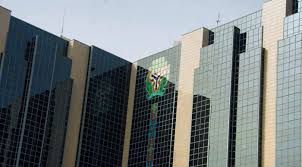

In a major shift toward household deleveraging, Nigerians repaid approximately ₦1.33tn in personal loans over a twelve-month period, driven by high borrowing costs and a rigorous anti-inflationary stance by the Central Bank of Nigeria (CBN). According to the CBN Economic Report for November 2025, outstanding personal loan balances plummeted from ₦3.32tn in November 2024 to ₦1.99tn in November 2025. This sharp contraction in personal lending served as the primary catalyst for a broader decline in total consumer credit, which fell from ₦4.42tn to ₦3.19tn during the same period.
The structural and economic consequence of this trend is directly linked to the apex bank’s aggressive monetary tightening throughout 2025. By maintaining the Monetary Policy Rate (MPR) at elevated levels peaking at 27.5% before a slight easing to 27% in late 2025 the CBN effectively discouraged new borrowing while incentivizing the settlement of existing debts. While personal loans remain the dominant force in consumer credit, accounting for roughly 62.38% of the market, their share has notably shrunken as households seek to reduce their exposure to unsecured high-interest debt.
Analytically, the retail lending sector provided a slight contrast to the general decline, recording a modest year-on-year increase of ₦90bn to reach ₦1.20tn. However, this marginal growth was insufficient to offset the massive repayment of personal loans. This shift in borrowing behavior reflects a strategic adjustment by Nigerian households to a “tight money” environment characterized by the lagged effects of previous interest rate hikes and a cautious fiscal atmosphere.
The impact on “Macroeconomic Stability and Disinflation” has become increasingly visible as the nation enters early 2026. During the 304th meeting of the Monetary Policy Committee in February 2026, CBN Governor Olayemi Cardoso announced a further reduction of the MPR to 26.5%. This decision was underpinned by a sustained downward trend in price pressures, with headline inflation easing for eleven consecutive months to reach 15.10% in January 2026. Most notably, food inflation saw a marked decline to 8.89%, signaling that the central bank’s efforts to stabilize the exchange rate and enhance food supply are yielding tangible results.
Furthermore, Nigeria’s external position has reached a historic milestone, with gross external reserves climbing to $50.45bn as of February 16, 2026 the highest level in 13 years. This provides a robust import cover of nearly ten months, further anchoring exchange rate stability. Despite these gains, Governor Cardoso warned of potential “upside risks,” particularly from increased fiscal releases and election-related spending, which could threaten the current disinflationary momentum.
The long-term outlook for the Nigerian financial system suggests a transition toward a more resilient and less debt-burdened consumer base. As the CBN continues its evidence-based policy framework, the focus remains on balancing price stability with financial soundness. For the average borrower, the gradual easing of interest rates, coupled with the significant reduction in household debt, may soon open a window for more sustainable, productive borrowing as the economy stabilizes.