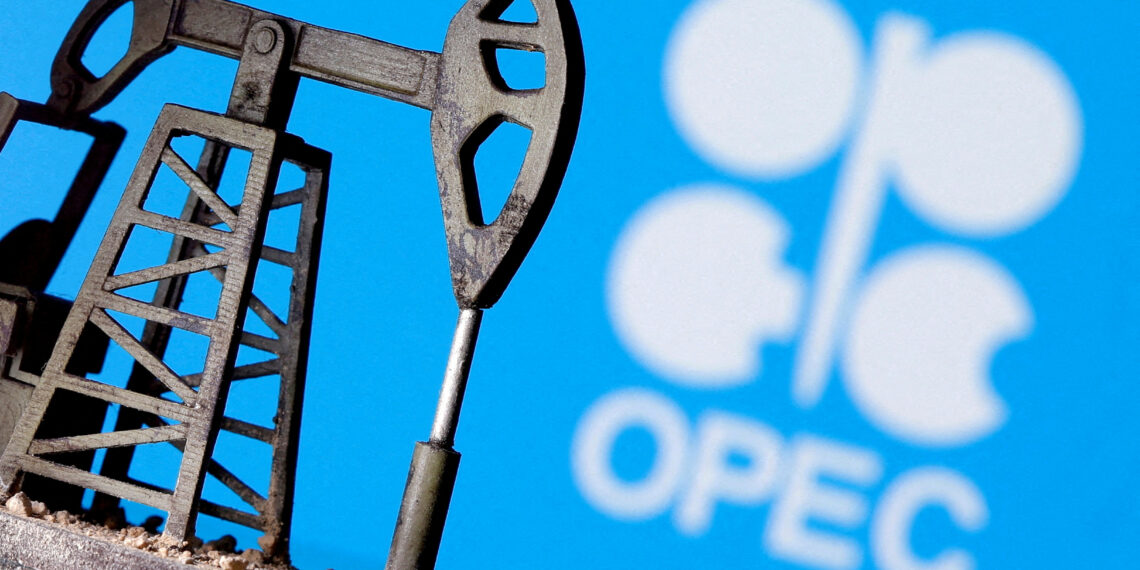

The OPEC+ alliance, co-chaired by Saudi Arabia and Russia, has decided to halt its planned oil supply increases for the first quarter of 2026, opting instead to maintain current production levels.
The decision was reached during an unusually brief virtual meeting on Sunday, signalling a cautious approach by the world’s major oil producers in response to a global market surplus and significant geopolitical uncertainty stemming from the recent US capture of Venezuelan leader Nicolás Maduro.
The move marks a pivot from the group’s recent strategy. Since April 2025, OPEC+ had been gradually restoring the 3.85 million barrels per day it had cut from the market in 2023, a policy designed to reclaim market share from competitors like American shale producers.
However, with approximately 1.2 million barrels per day of those cuts still to be unwound, the alliance has now tapped the brakes.
Delegates reportedly felt it was premature to alter supply policy in reaction to the political upheaval in Venezuela, a country that, despite holding the world’s largest oil reserves, currently produces only around 800,000 barrels per day.
The prospect of its output eventually returning to the market, however distant, adds a layer of complexity to future supply-demand calculations.
For oil-dependent nations like Nigeria, the OPEC+ decision carries significant weight.
By holding production steady, the alliance aims to place a floor under crude prices, preventing a sharp decline in a well-supplied market. This provides a degree of revenue stability for Nigeria, whose national budget and foreign exchange earnings are heavily reliant on oil exports.
However, the pause also caps the potential for a price rally, limiting immediate revenue growth at a time when Nigeria is grappling with its own production challenges, including oil theft and underinvestment, which have kept its output below its OPEC quota.
The decision underscores the delicate balancing act Nigeria must perform: managing its domestic production capacity while navigating a global energy market shaped by the collective strategy of OPEC+ and the unpredictable ripple effects of international political events.