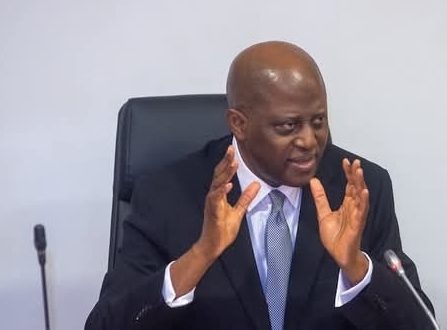

At the October 2025 IMF/World Bank Annual Meetings in Washington D.C., Nigeria’s economic team, led by Central Bank Governor Olayemi Cardoso and Minister of State for Finance Dr. Doris Uzoka-Anite, mounted a concerted campaign to attract foreign investment. The delegation presented a unified front, arguing that the nation had achieved significant macroeconomic stabilization by removing market distortions and restoring confidence through a disciplined commitment to transparency.
The team showcased a dramatic shift in the country’s fortunes from the instability of 2023, a period marked by food inflation exceeding 40%, headline inflation at 35%, and a collapse in capital importation of over 75% since 2019. By 2025, however, demonstrable progress was evident across key indicators. The foreign exchange market has stabilized, with the parallel premium dropping below 3% and the currency holding steady. Governor Cardoso announced that Nigeria’s external reserves had climbed to $43.4 billion, a five-year high. This newfound confidence is reflected in a 56.4% surge in average monthly FX turnover, reaching $8.6 billion. Cardoso emphasized that the market is now “much more robust and transparent,” noting a complete reversal in the CBN’s role, which now acts as a net buyer of less than one percent of market turnover. Further bolstering the positive outlook, the CBN chief disclosed that Nigeria’s trade surplus had risen to 6% of GDP, an improvement attributed to sound macroeconomic policies and expected to be sustained.
Outlining a clear path for investment, the team detailed strategic fiscal changes designed to improve the business climate. These include refining tax policies with a more progressive capital gains tax regime that exempts low-income and small investors while ensuring large investors pay a fair share, including provisions to net losses. Concurrently, corporate tax rates are being reduced and input credits expanded to enhance business profitability and cash flow. On debt management, Nigeria has demonstrated discipline by completing nearly all its 2025 domestic borrowing targets early. The country also plans new external borrowing, including a $2.3 billion Eurobond issuance, with maturities to be tailored to market conditions. This strategy aims to encourage a shift among investors from short-term to long-term exposures.
This commitment to reform received significant international validation during the meetings, lending crucial credibility to the team’s narrative. The International Monetary Fund upgraded its Real GDP growth projection for Nigeria to 3.9% in 2025 and 4.2% in 2026, explicitly citing “higher oil production, rising investor confidence, exchange rate stability, and structural fiscal reforms.” While praising the progress, the IMF urged a continued focus on fiscal policies that strengthen public finance and boost capital expenditure on infrastructure and education.
With reserves and buffers now much stronger, the Nigerian team described the outlook as “very positive” and encouraged investors to move into longer-duration assets, equities, and real estate, citing the nation’s increased stability and improved fundamentals. As Governor Cardoso concluded, bold and comprehensive reforms have successfully built greater macroeconomic resiliency, a sentiment foreign investors confirmed, stating they were “encouraged by the reforms” and the resultant transparency in the foreign exchange market.