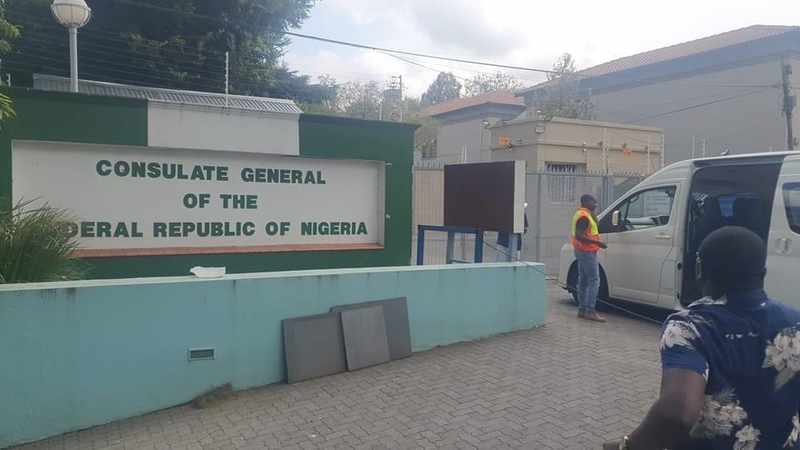

At least 130 Nigerian citizens in South Africa have requested government-assisted evacuation amid rising anti-immigration protests, marking the first use of a new repatriation scheme launched by Abuja as tensions over undocumented migration continue to grow. Foreign Minister Bianca Odumegwu-Ojukwu confirmed the requests, which came as recent demonstrations in Pretoria and Johannesburg saw protesters demanding stricter immigration controls, blaming foreign nationals for pressure on jobs, security, and public services.
Nigerian officials condemned the unrest, particularly after reports that two Nigerians were killed in alleged assaults by security personnel. The Foreign Affairs Ministry called for full cooperation from South African authorities, including access to autopsy reports, legal processes, and accountability where wrongdoing is confirmed. Nigeria has also summoned South Africa’s High Commissioner and is coordinating with its missions to protect citizens, with further protests planned for May 4 and 8.
From an economic perspective, the evacuation requests highlight the vulnerability of Nigerian migrants who contribute significantly to South Africa’s informal economy while sending remittances home. Nigeria and South Africa maintain critical trade ties, with South African firms operating extensively in Nigeria’s telecommunications, retail, and banking sectors. A prolonged diplomatic rift could affect bilateral investment flows and trade, which exceeded $2 billion annually before the pandemic. Nigeria’s evacuation scheme, launched as a response to recurrent xenophobic attacks, represents a costly but necessary measure to protect citizens abroad. Abuja says it is monitoring the situation and seeking to prevent escalation, as the timing of further protests raises the risk of additional violence.