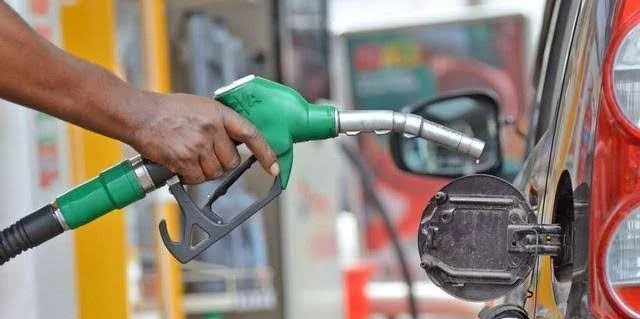

Petrol prices have climbed to as high as ₦1,400 per litre in parts of Nigeria, triggering transport fare increases of between 20% and 40% across major cities as higher global crude oil prices and domestic supply costs ripple through the economy.
The latest surge follows a sharp rise in international crude oil prices, which recently traded above $100 per barrel amid heightened geopolitical tensions in the Middle East. The increase has also been amplified by a fresh upward review of petrol prices by the Dangote Petroleum Refinery, Nigeria’s largest domestic fuel supplier.
The 650,000-barrel-per-day refinery raised its ex-depot (gantry) price by ₦140, or about 13%, from ₦1,075 to ₦1,215 per litre after briefly suspending naira-denominated sales earlier in the week. The higher wholesale price has prompted marketers, including NNPC Retail and independent filling stations, to adjust pump prices nationwide.
Retail prices now average around ₦1,300 per litre, although significant regional disparities persist due to transportation costs, supply logistics and local market conditions.
The highest pump prices were recorded in the North-East, where filling stations in Maiduguri sold petrol for between ₦1,370 and ₦1,390 per litre, while some independent marketers in Yobe State charged as much as ₦1,400. Retail prices also remained elevated in Bauchi, Sokoto and Plateau states.
In the Federal Capital Territory, motorists paid between ₦1,270 and ₦1,350 per litre, depending on the outlet. Lagos, Nigeria’s commercial hub, recorded pump prices largely between ₦1,275 and ₦1,300, while Ogun State remained among the least expensive markets, with some NNPC Retail stations selling at around ₦1,170 per litre.
The higher fuel costs have quickly filtered through to the transportation sector. On the Maiduguri-Kano route, passenger fares increased from about ₦20,000 to ₦25,000, while commuters in Abuja reported fare hikes of 20% to 40% on several intra-city and inter-state routes. Transport operators attributed the increases to rising fuel and operating costs.
The latest increase is expected to intensify inflationary pressures across Africa’s largest economy. Higher transportation costs typically raise the prices of food, manufactured goods and other essential commodities, placing additional strain on households already grappling with elevated living costs.
Market analysts say the outlook remains uncertain. If international crude oil prices remain elevated and domestic wholesale fuel prices stay at current levels, marketers may implement further pump price adjustments in the coming weeks. The federal government has not announced any new relief measures, leaving consumers and businesses to absorb the impact of rising energy costs.